




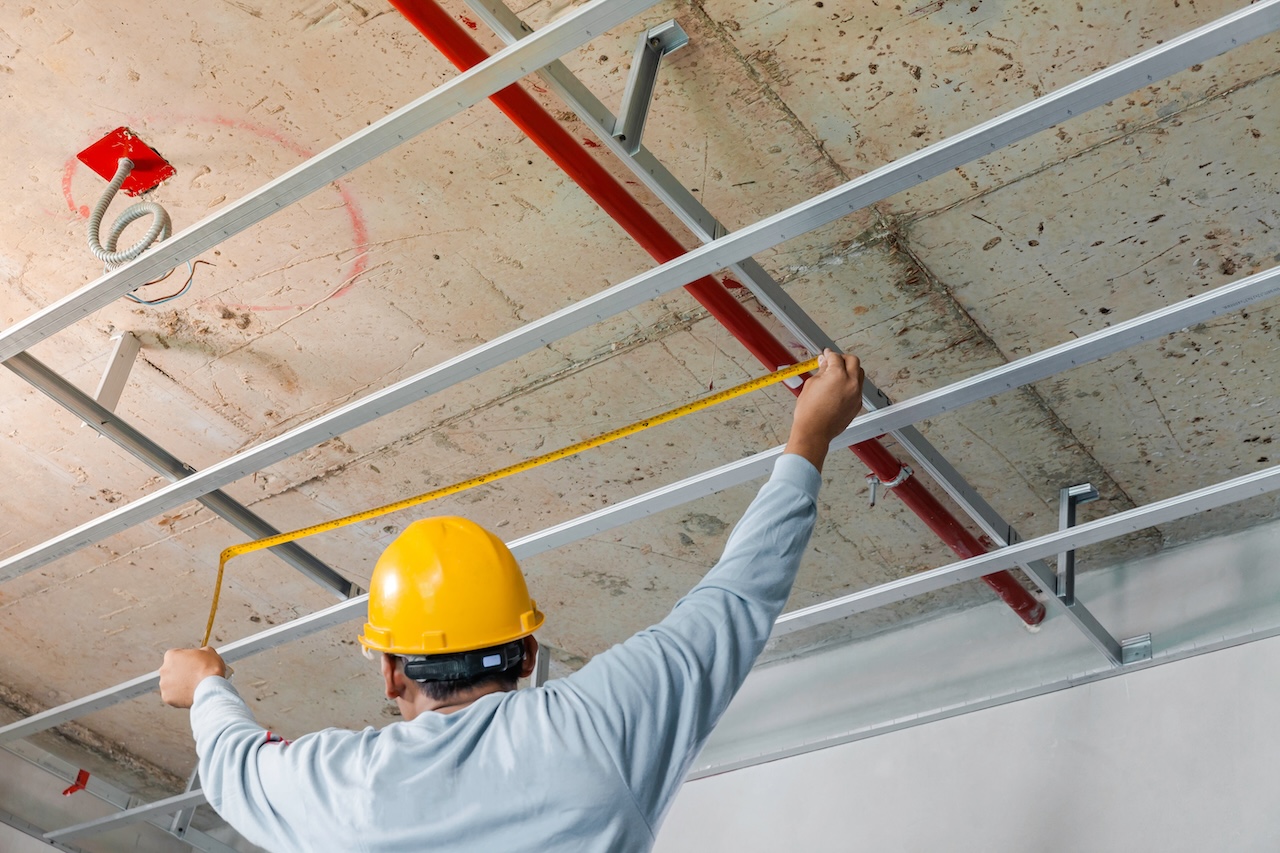
MEP noise control helps reduce unwanted sound and vibration from mechanical, electrical, and plumbing systems. This guide explains how HVAC, ductwork, diffusers, plumbing, and equipment noise affect acoustic comfort, speech clarity, privacy, and overall building performance.

Acoustic risk points are the construction stages where field changes, missing backers, substitutions, MEP conflicts, or installation errors can weaken acoustic performance. This guide explains where problems commonly occur and how superintendents can help protect the original design intent.
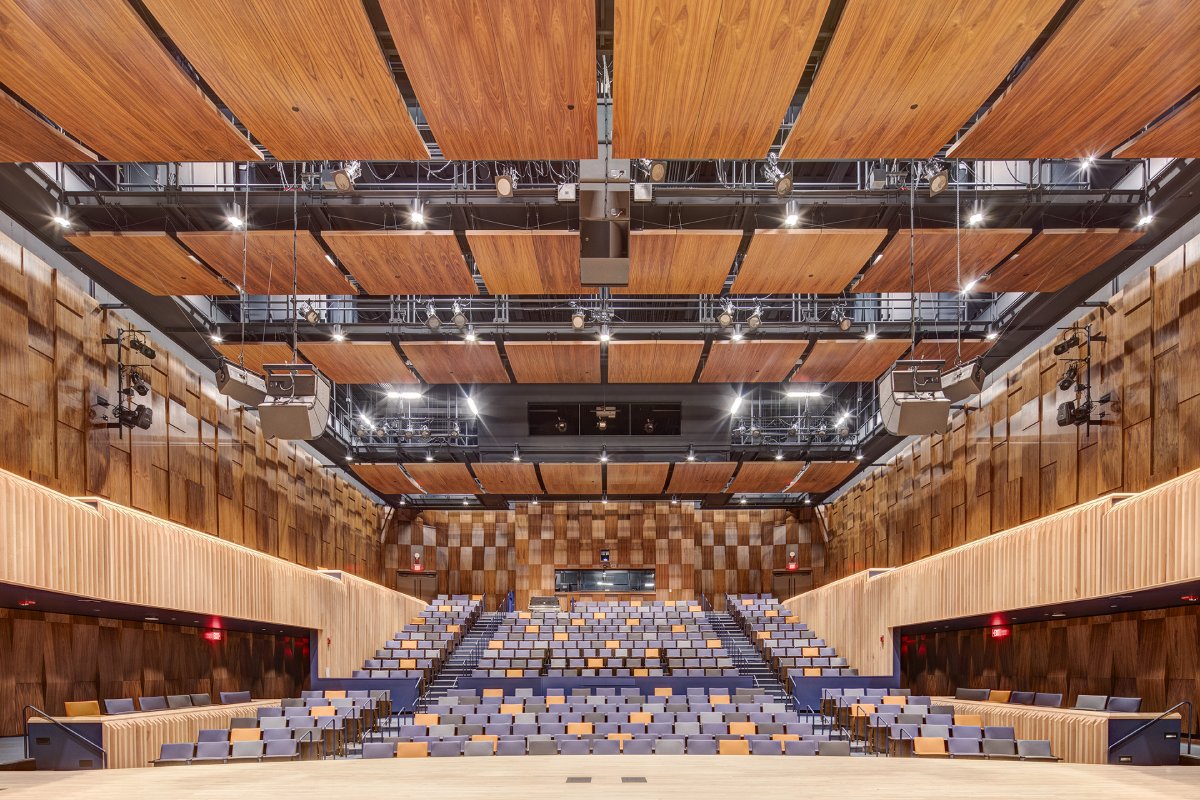
A cloud ceiling can improve acoustics in open commercial interiors while preserving height, visibility, and architectural character. Learn how acoustic ceiling clouds work, where they make the most sense, and what to coordinate before specifying them.
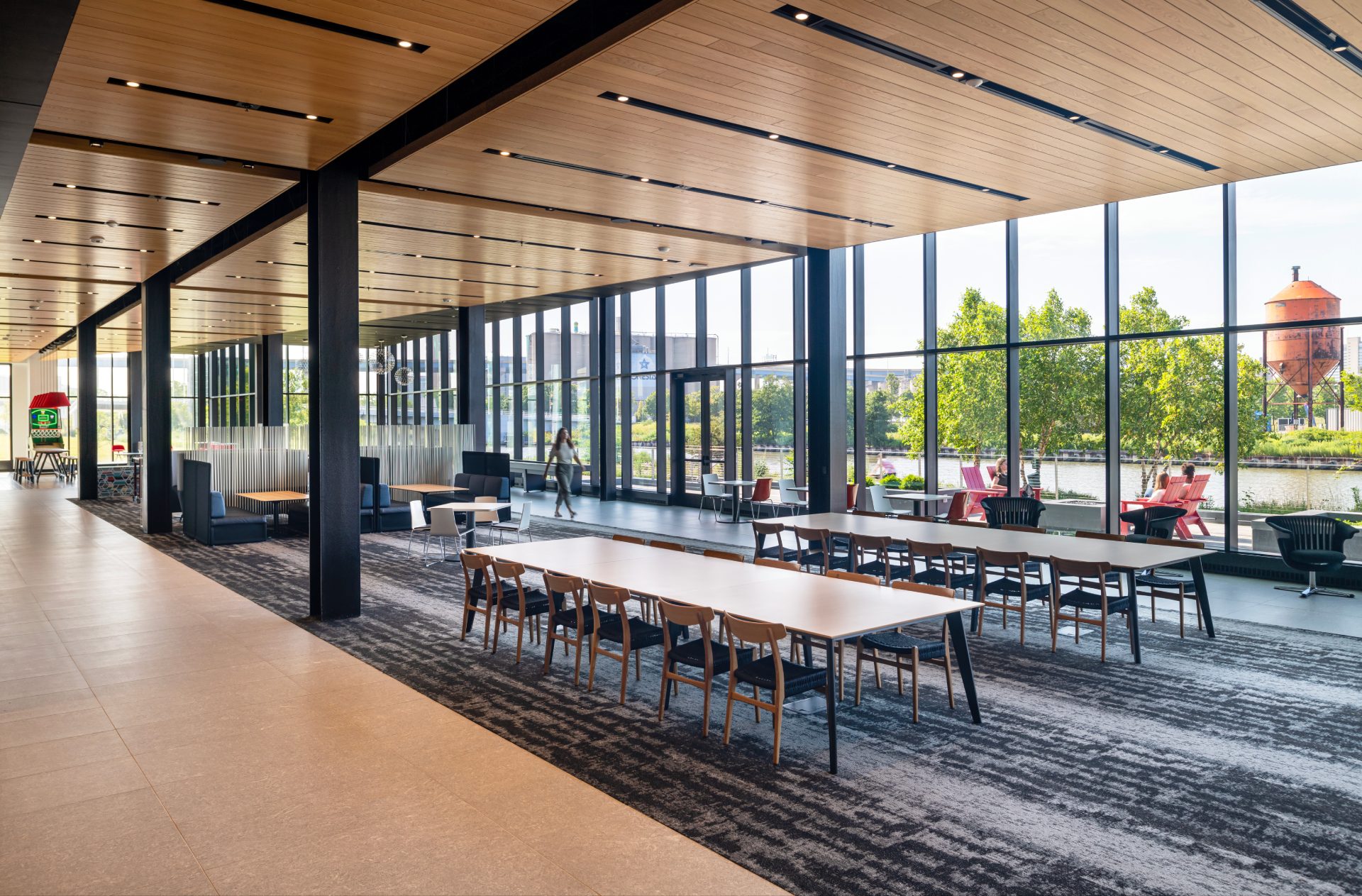
Multi-use spaces need more than one acoustic solution. Learn how layered ceiling treatments, wall systems, and acoustic zoning improve comfort, clarity, and flexibility in large rooms.
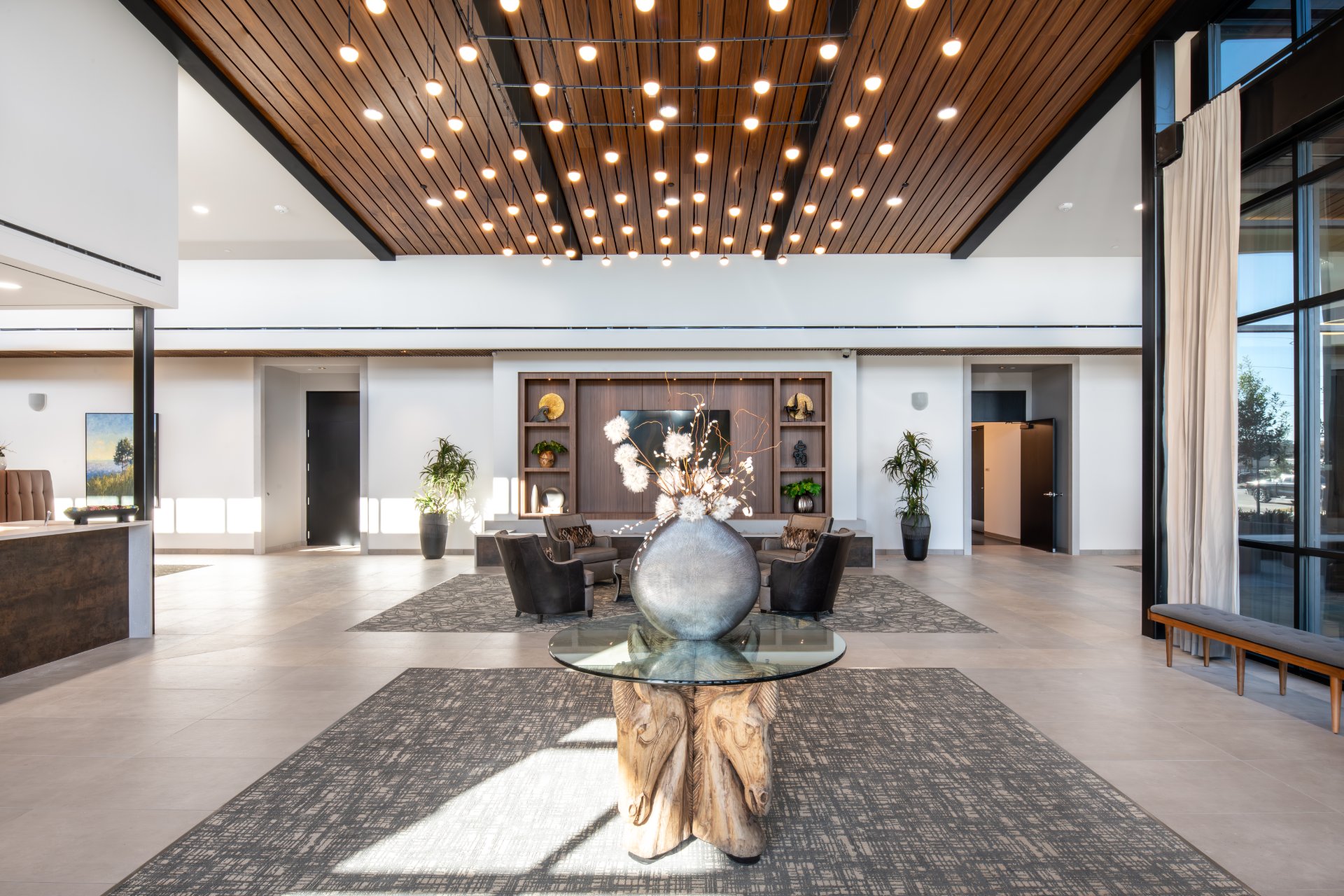
Reverberation time shapes how clearly a space functions. Measured using standards like ISO 3382 and ASTM E2235, the metric RT60 helps architects improve speech clarity, acoustic comfort, and overall usability of a space. Simply put, RT60 is an acoustic metric,
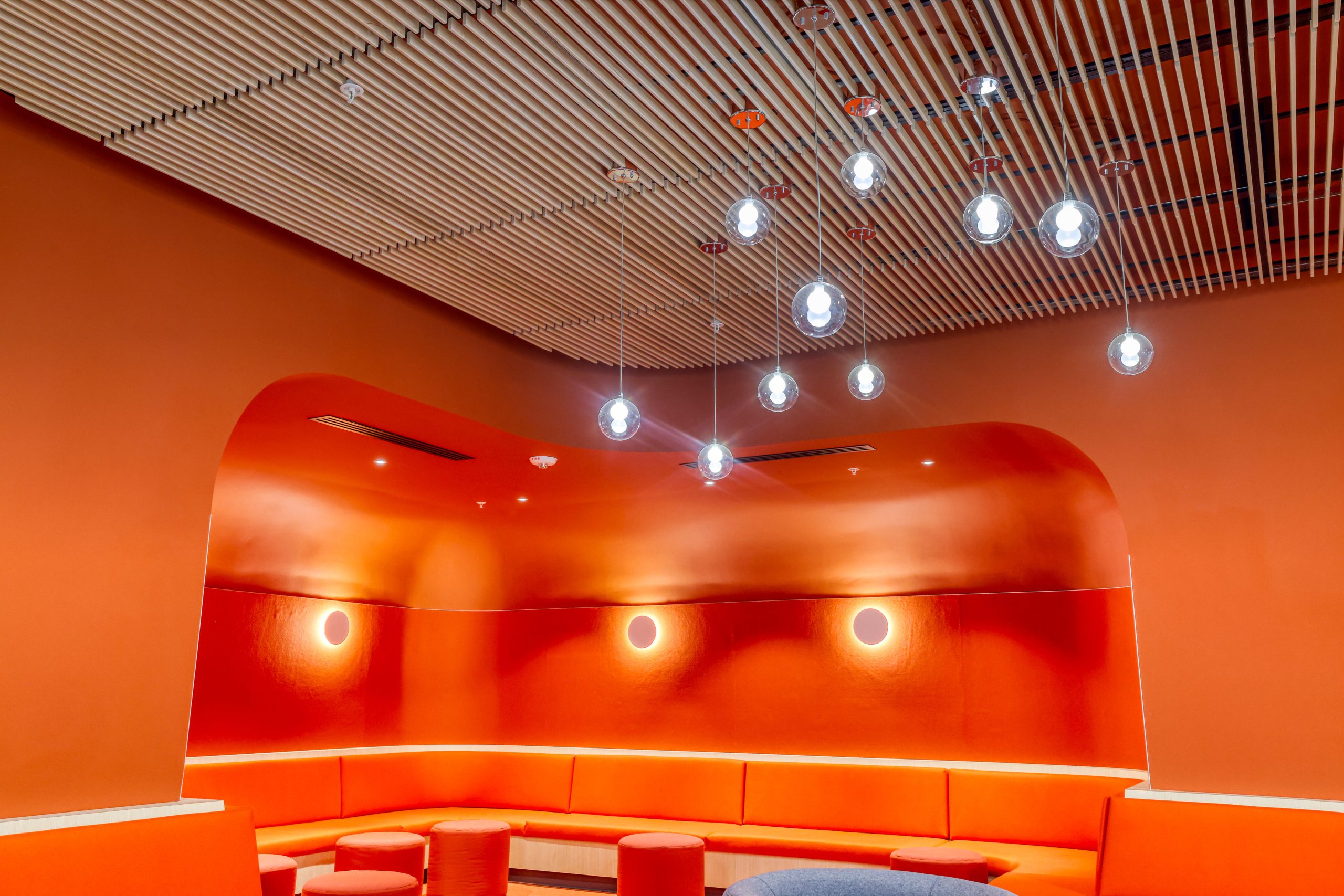
Sustainable acoustic materials are redefining interior design by combining sound performance, low-carbon sourcing, healthier indoor air quality, and circular lifecycle strategies. From recycled PET felt and wood fiber panels to modular ceiling systems and low-VOC finishes, today’s acoustic solutions help
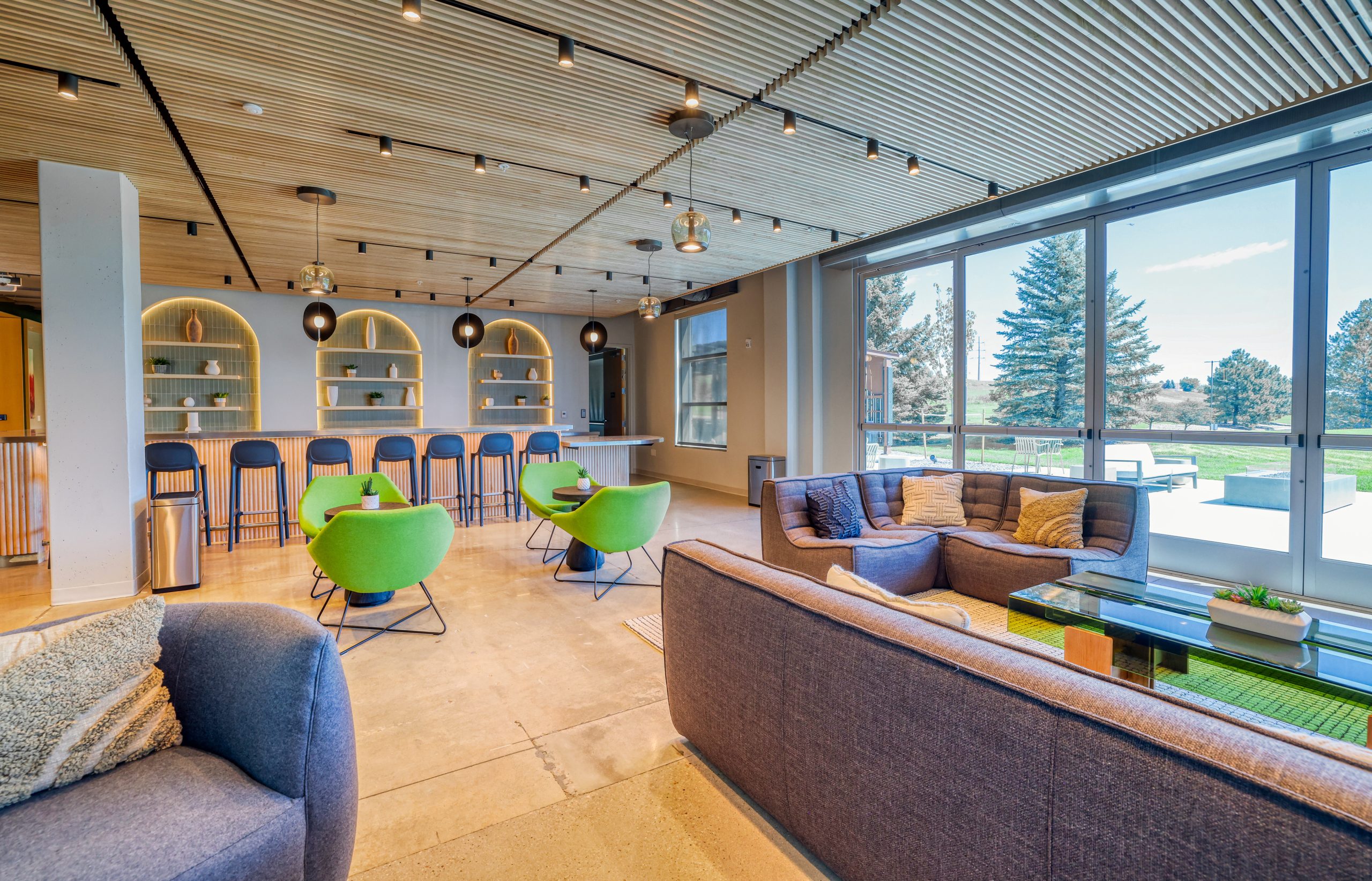
Soundscape design goes beyond noise reduction. This guide explains how acoustics shape focus, privacy, comfort, and wellbeing through better planning, zoning, and material selection.

Learn how to clean ceiling panels the right way without damaging finishes or reducing acoustic performance. This guide covers safe cleaning methods by material, common maintenance issues, and when replacement makes more sense than cleaning.
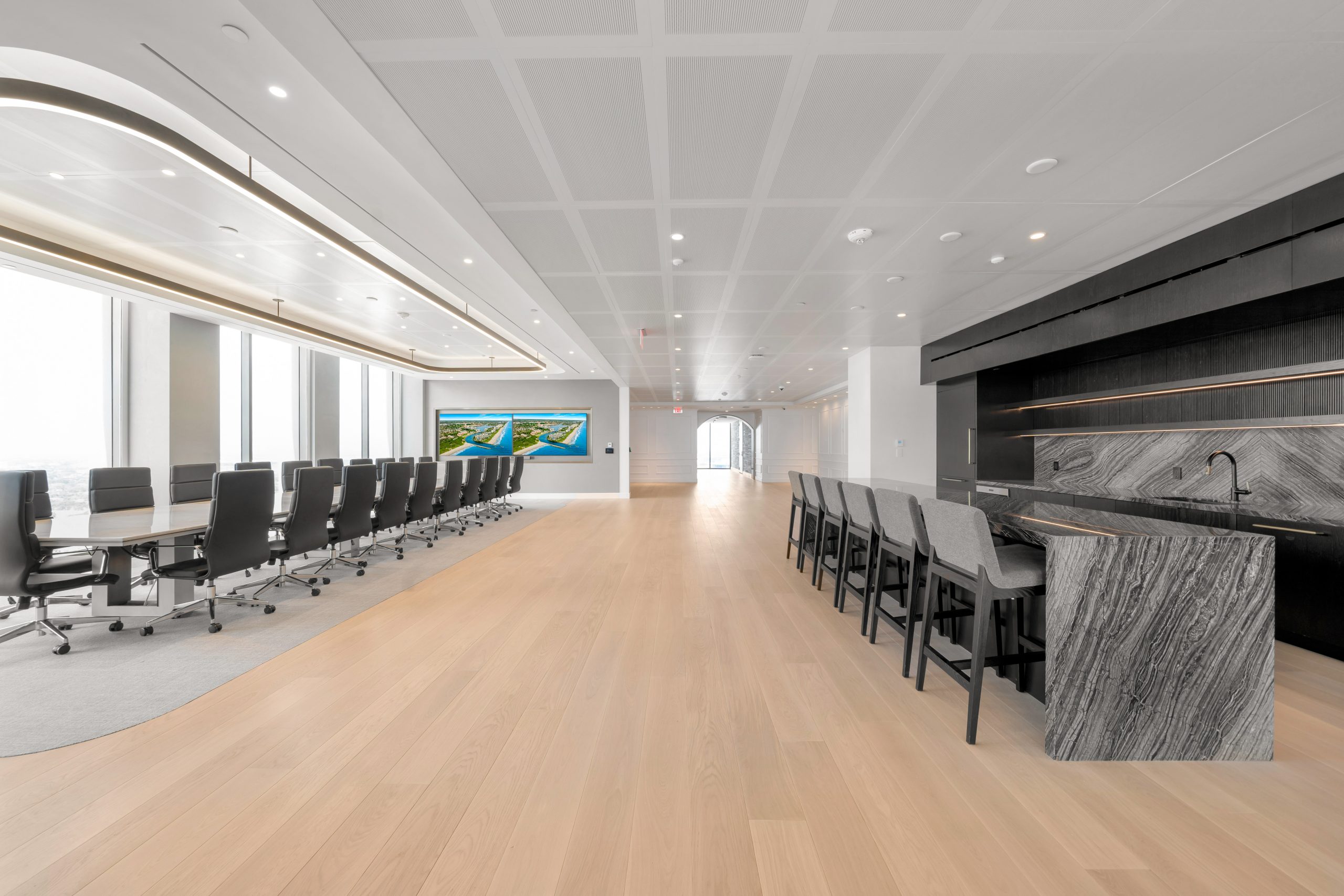
Acoustic interiors do more than control noise—they define how a space feels. In luxury commercial environments, sound becomes a critical design element that influences comfort, conversation, and customer experience.
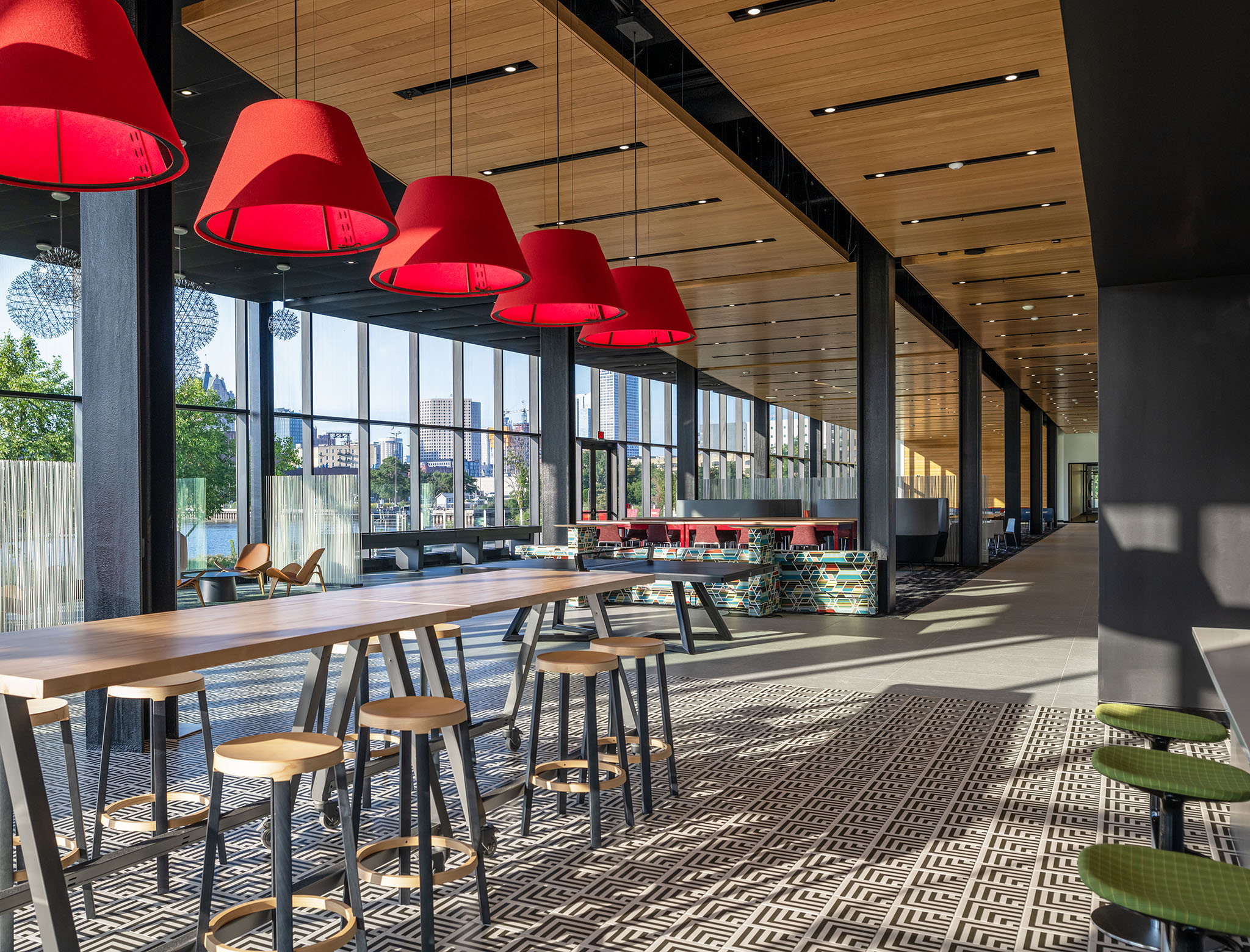
Tongue-and-groove wall panels deliver timeless linear wood surfaces with concealed fasteners and clean alignment. Learn when to use standard T&G, when acoustic performance is required, and how ASI Architectural systems support both design and function.