



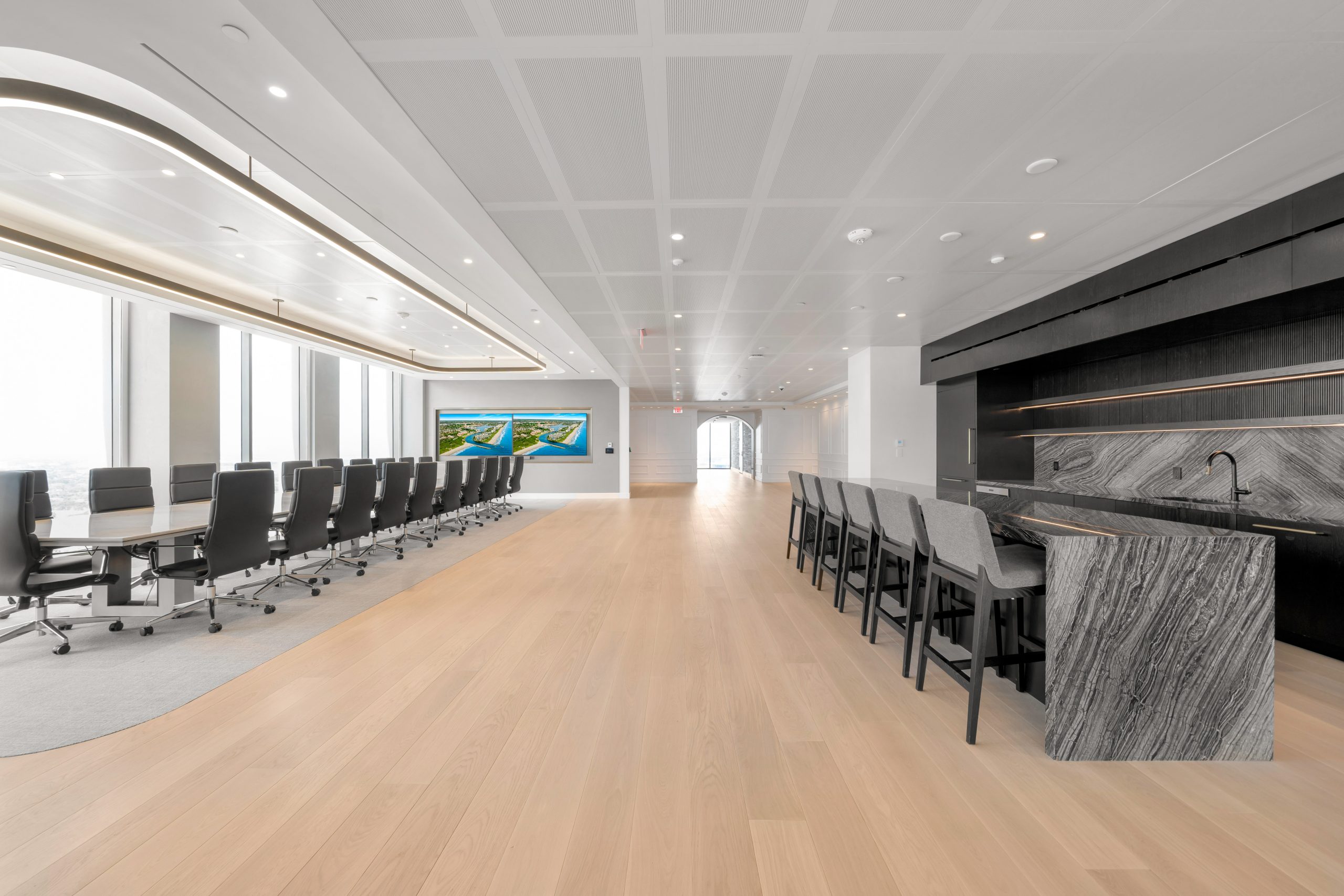
Selling With Sound: Acoustic Interiors for Flagship Commercial Spaces
An acoustic interior does more than reduce noise; it shapes how a space feels the moment someone walks through the door. In flagship commercial environments – salons, tasting rooms, galleries, jewelers, and premium cafes – sound behaves like a luxury finish. Customers may not consciously analyze reverberation or background noise, but they immediately sense whether a room feels calm, chaotic, or comfortably energized. For architects and builders delivering high-end tenant spaces in dense urban markets, that first impression matters. Square footage, lighting, and materials sell the visual story, yet the sonic experience often determines whether visitors linger, converse easily, and ultimately buy. Designing acoustics early in the process helps transform interior design from a purely visual discipline into a complete sensory environment.
What Acoustic Branding Means in Built Environments
In high-end commercial development, the conversation around finishes increasingly includes acoustic branding. Just as lighting temperature, scent, and material palettes reinforce identity in luxury retail interiors, the sound of a room communicates brand values. A calm jewelry boutique, an energetic espresso bar, and a discreet consultation lounge all require different acoustic behavior. Rather than treating acoustics as a last-minute correction, architects can translate these brand traits into measurable targets that guide design decisions from schematic design through construction. When builders understand the desired reverberation time (RT60), background noise level (NC), and clarity expectations for conversations, the resulting acoustic interior supports the tenant’s identity instead of fighting against it.
From Mood Boards to Sound Boards
Design teams already build visual mood boards; adding a sonic layer is a logical next step. Early coordination meetings can outline simple acoustic benchmarks that influence materials and layout long before the punch list stage. Teams might establish a target reverberation time appropriate for small hospitality spaces, define a comfortable background noise level that masks mechanical distractions, and review STI speech intelligibility expectations for greeting customers or explaining products. These metrics do not require deep physical knowledge. They simply give architects and contractors a shared language so ceiling selections, wall assemblies, and finish choices align with the intended experience.
Sound as a Luxury Cue
Walk into a well-tuned boutique and the difference is immediate. The door closes, the room settles, and the greeting from behind the counter arrives clearly without sounding amplified. That subtle hush is not accidental. Controlled reverberation, balanced absorption, and thoughtful diffusion vs absorption choices shape how quickly sound decays after someone speaks or sets down a cup. In a premium environment, that controlled decay becomes part of the service experience. Customers feel that conversations are comfortable, private, and unhurried, reinforcing the perception of attentive staff and high-quality products.
Turn Brand Traits Into Acoustic Targets
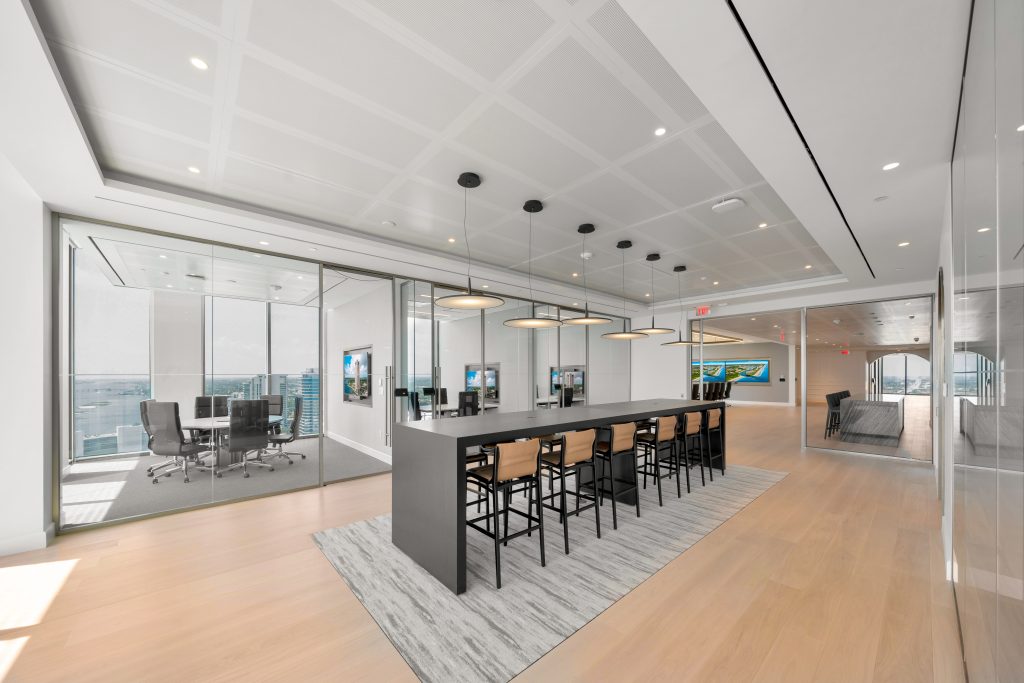
Architects often hear clients describe a space using adjectives: calm, lively, intimate, or exclusive. The challenge is translating those impressions into conditions a field team can actually build. Acoustics provide measurable references that convert subjective language into performance goals. By connecting design intent with metrics such as RT60, NC, NRC vs STC, and speech intelligibility, project teams can coordinate ceiling systems, wall assemblies, and finishes with far greater precision.
Read More: Working With Contractors: Ensuring Acoustic Specs Are Met
Calm
Spaces that promise relaxation – such as salons or tasting lounges – typically aim for shorter reverberation time and controlled background noise. Microperforated wood panels, absorptive backers behind decorative millwork, and strategically placed acoustic ceiling clouds help reduce lingering reflections without overwhelming the visual concept. Lower RT60 values make voices easier to follow while maintaining a quiet background. In applications like salon acoustics or coffee shop acoustics designed for conversation, that balance keeps the room comfortable even during busy hours.
Energized
Not every flagship environment should feel hushed. Espresso bars, tasting counters, and active retail floors benefit from a sense of energy. Here the goal is controlled liveliness rather than silence. Designers often combine selective absorption with reflective surfaces and light diffusion to maintain buzz without sacrificing clarity at the point of sale. Acoustic wall panels placed away from focal displays, paired with subtle acoustic baffles overhead, can keep conversations intelligible while preserving the vibrant character of the space.
Private
Luxury service environments frequently include consultation zones where discretion matters. Effective speech privacy design depends on more than absorptive finishes inside the room. Interior NRC performance must work together with STC-rated partitions, sealed doors, and careful detailing around flanking paths. When those elements align, speech intelligibility remains high for participants inside the room but drops significantly outside it. This approach is particularly valuable in office suite acoustics, cosmetic treatment clinics, and jewelry sales areas where conversations involve pricing or personal details.
Small Rooms, Big Sound – Why Boutiques Get Loud Fast
Many boutique environments struggle with acoustics simply because of their size. Small retail acoustics, coffee shop acoustics, and salon acoustics often involve compact floor plans filled with reflective materials such as glass, tile, mirrors, and stone. When sound waves bounce repeatedly between these surfaces, reverberation builds quickly and speech clarity drops. Builders can address this early by focusing on overhead treatment that preserves valuable floor area. Perforated ceilings, suspended acoustic ceiling clouds, or linear acoustic baffles shorten room decay without reducing display space. Additional attention to first-reflection points – behind seating, mirrors, or point-of-sale counters – further improves intelligibility. Even modest absorption in these locations can dramatically stabilize the acoustic interior.

Finish Palettes That Look Premium and Sound Right
One of the most common concerns among designers is that acoustic materials will disrupt the visual language of a space. In reality, many modern systems are designed specifically for high-end interior design applications. The goal is not to hide acoustics, but to integrate them so seamlessly that performance improves without obvious visual compromise.
Warm Woods, Real Performance
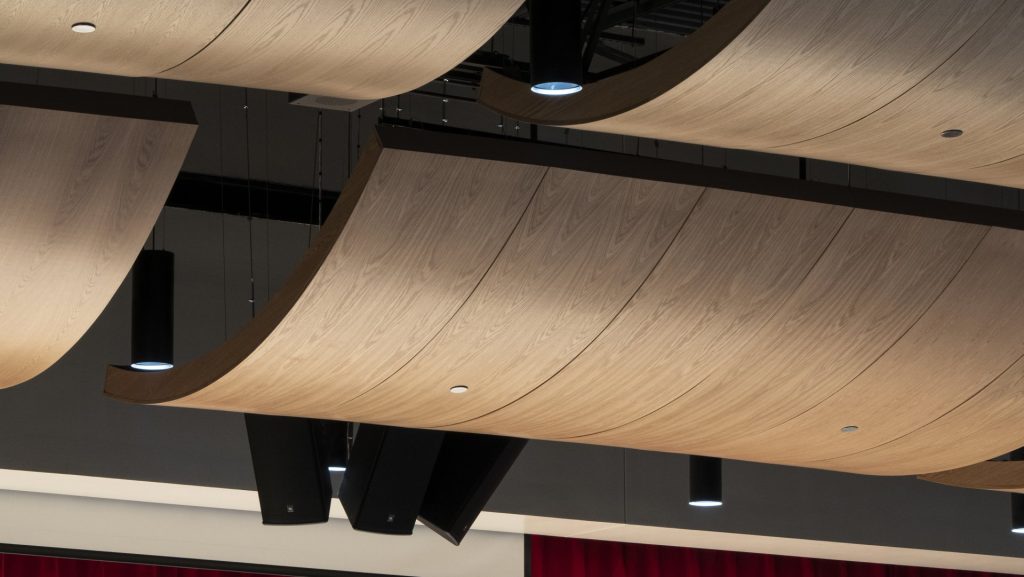
Warm woods remain a staple in luxury retail interiors, yet solid timber surfaces can reflect significant sound energy. Microperforated wood panels, slotted veneers, and acoustic grilles preserve the warmth designers want while allowing sound to pass into absorptive backing layers. When paired with reflective materials, stone, or glass, these hybrid assemblies balance elegance with controlled reverberation.
Fabric, Felt, and Soft Touches
Fabric-wrapped acoustic wall panels, PET felt accents, and upholstered niches introduce targeted absorption without heavy construction. In boutique hospitality spaces, these elements often double as visual features or seating backdrops. Designers increasingly specify cleanable acoustic finishes that resist staining, moisture, and daily wear, making them practical for coffee bars, salons, and other high-traffic environments while still contributing strong NRC performance.
Read more: Top 12 Innovative Ceiling Materials That Are Reshaping Architectural Design
Layout, Zoning, and the Sound of Service
Acoustics is not only about materials; it also depends heavily on layout. Circulation paths, seating clusters, and service counters shape how sound moves through a room. Successful tenant improvement acoustics often separate quieter consultation zones from livelier retail or bar areas. Designers may reinforce these zones with partial partitions, ceiling height changes, or localized absorption. In larger spaces, light sound masking strategies can add a subtle layer of background texture that reduces distracting speech from nearby tables or displays.
Key detailing priorities often include door seals to prevent sound leakage, ceiling continuity above partitions to protect STC ratings, careful control of flanking paths around ductwork and lighting, and small-room RT60 targets that keep conversations clear.
Cleanability, Fire, and Code
Operational realities also shape acoustic decisions. Salons introduce humidity and chemical exposure; cafes bring grease and frequent cleaning routines. For that reason, many architects specify cleanable acoustic finishes with durable facings or wipeable coatings. Fire performance is equally important, particularly when using acoustic baffles or suspended ceiling elements. Products must meet local fire ratings and integrate with sprinkler layouts and mechanical systems. By coordinating these requirements early, teams avoid costly substitutions that could compromise the acoustic strategy later in construction.
Commissioning Your Sound: Prove It Works
Just as lighting and mechanical systems are tested before turnover, acoustics benefit
from simple commissioning. Baseline measurements taken after installation confirm that the design intent survived construction. Teams typically verify reverberation time, background noise levels, and speech intelligibility in key areas such as consultation rooms or point-of-sale counters. Many contractors now use app-assisted tools or handheld meters to capture quick RT60 snapshots using pink noise or balloon pops. A short intelligibility walk-through – reading a prepared script at normal speaking volume – helps confirm that customers can hear greetings, instructions, and pricing details without straining.
Schedule and Budget: Fast Wins for Compressed Timelines
Construction schedules rarely leave room for major redesigns, which is why practical acoustics solutions matter. Prefinished acoustic wall panels, modular acoustic ceiling clouds, and lightweight acoustic baffles can be installed quickly with minimal wet trades. Many systems fit standard ceiling grids, allowing contractors to upgrade performance without slowing other trades. These approaches help protect the acoustic interior even when tenant improvement acoustics must move quickly to meet a grand opening date. When architects, builders, and designers coordinate sound goals early, the finished space delivers more than a style. It delivers an experience that customers immediately recognize as calm, polished, and intentionally crafted.
In competitive urban markets, the most successful commercial environments are complete sensory experiences. Visual branding draws customers in, but sound shapes how comfortably they interact once inside. By planning acoustics early, architects and builders can create spaces that feel calm, refined, and intentionally crafted. To explore solutions that elevate the acoustic interior, architects and contractors can partner with ASI Architectural to help design luxury commercial spaces that sound as polished as they look.