



In recent years, the perception of modular wall panels has evolved from being functional solutions to key design elements. Today, modular wall panels offer more than pragmatic appeal; they are integral to innovative and future-proof projects. This approach challenges the traditional boundaries of engineering and architecture, delivering interiors that are both practical and visually compelling. As architects and designers face new client needs and building regulations, the modular approach is an adaptable, efficient solution.
Use of modular wall panels in modern architectural design can help projects walk the line between efficient engineering and bold, contemporary design. At ASI Architectural, we deliver modular projects which combine performance, sustainability and beauty to transform architects’ dreams into reality.
Why Modular Design Works
Today’s world demands a modular approach to many things, including architectural projects. Modular architectural panels offer scalability, quality control, and long-term adaptability that traditional, in-place construction often struggles to match.
The Efficiency Factor
Efficiency is a key factor driving the adoption of modular wall panels. Traditional wall construction can be time-intensive, requiring skilled labor for framing, drywall, sanding, and painting. The entire process could take days or weeks to complete.
Prefabricated wall systems, however, come ready to install. These panels are manufactured off-site in controlled factory conditions and are then assembled quickly on-site. This not only speeds up the installation process but also reduces labor costs, a significant factor in many commercial projects. For clients, the benefit of a faster installation process means quicker occupancy and less disruption, which is particularly important in office spaces, libraries, educational facilities, and healthcare environments.
Consistency and Quality Control
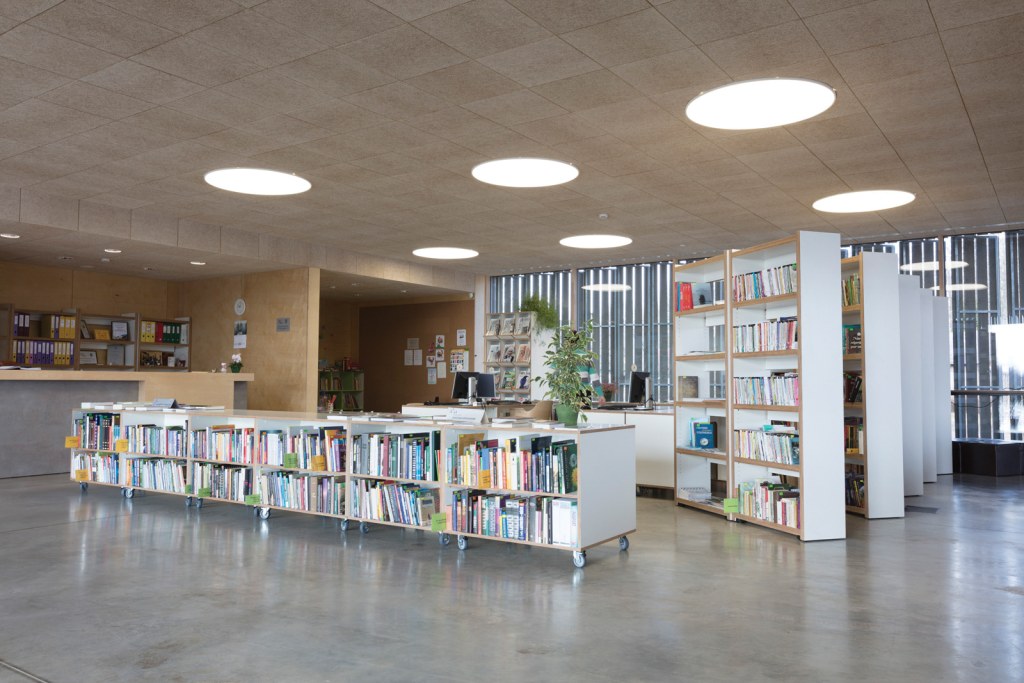
Prefabrication also provides a high degree of dimensional accuracy and consistent aesthetics. Unlike the variable results of drywall or plaster installations, which can depend on the installer’s skill, modular interior wall systems are fabricated to exacting specifications off-site. This results in precise seams, clean finishes, and consistent design quality across even large-scale projects. This also means prefabricated modular systems minimize site disruption and guarantee the same high quality for every project compared to traditional wall panel construction methods.
| Category | Traditional Wall Systems | Modular Wall Panels |
| Labor Hours | 120–160 hours | 40–60 hours |
| Installation Days | 10–14 days | 3–5 days |
| Material Waste | High (drywall scraps, paint, joint compound) | Low (prefabricated precision cuts) |
| Total Cost | $40–$55 per sq. ft. | $30–$40 per sq. ft. |
Design Flexibility and System Compatibility
Efficiency is just part of the story; modern architectural projects demand design flexibility to express brand identity, support workplace culture, and accommodate future changes. Since they are developed as architectural modular components, wall panels can readily integrate with flooring, lighting, and acoustic treatments.
Seamless Integration with Ceiling Designs
In many cases the key to a successful project is also the integration with ceilings, with the wall and overhead systems designed to form a coherent picture, both visually and acoustically. From grille ceilings to baffle ceiling systems, walls have moved from being two separate design features to closely integrated systems. Modular wall panels are also designed to be compatible with coffered, linear, and suspended ceilings. This integration is important for achieving a smooth visual and physical transition between wall and ceiling surfaces.
Mixing Materials and Finishes
Another advantage is the ability to mix and match materials. For example, designers can combine wood modular wall panels with metal modular wall panels or add acoustic panels for noise control.
Material Considerations for Modular Design
Selecting the right material is as important as the panel design itself. Material choices impact not just the look but also acoustics, environmental impact, and long-term maintenance.
Acoustic Performance and Noise Control
In office buildings, classrooms, and cultural institutions, acoustic comfort is as important as aesthetics. One solution to providing acoustic comfort is the installation of acoustic panels as an integral part of a modular system. This is an effective way to manage reverberation and make speech more intelligible in a space.
With a range of products, from perforated wood to microperforated metal, it’s possible to make surfaces that both absorb and diffuse sound, while still meeting design goals. Products such as ASI’s Microperf and Microperf Metal line provide extremely high NRC values and yet still feature very clean lines.
Sustainability and Environmental Impact
Builders are looking for sustainable wall panel systems that can achieve green building certifications without compromising design flexibility, and a number of manufacturers now provide wall panel systems that are environmentally friendly.
Wall panels can be fabricated from sustainable materials such as FSC-certified wood, recycled aluminum, or fiber-based composites. In addition, panels can receive a low-VOC coating. At the end of their life, panels can often be recycled.
ASI’s StrandTec system is an example of an environmentally friendly system that is high performance and made from renewable materials.
Read More: The Complete Guide to Wood Fiber Panels and Ceiling Tiles
Durability and Maintenance
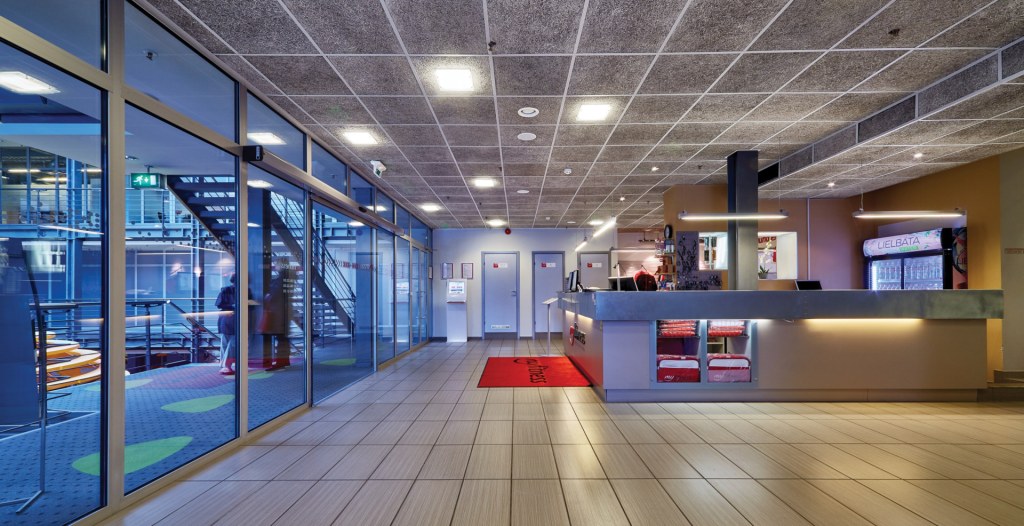
High-traffic areas like airports, college campuses, and universities all require wall panels that can hold up. Surface treatments like laminate, powder coating, or factory-applied finishes help increase longevity and make for easy cleaning and maintenance. Rather than painting drywall every few years and touching it up regularly, you can choose modular surfaces that resist scratching, denting, and staining. Modular construction also offers long-term savings due to its lower lifecycle cost, making it a more budget-friendly option over many decades.
So, if you’re looking for wall panels for high traffic environments like airports and universities, high-performance wall panels ensure durability without looking institutional.
| Material Type | NRC Value (Sound Absorption) | Sustainability Certification | Maintenance Level | Typical Applications |
| Wood Panels | 0.60–0.85 | FSC-certified options | Moderate (refinishing may be needed) | Offices, auditoriums, cultural venues |
| Metal Panels | 0.70–0.90 (perforated/with backing) | Often recyclable | Low (durable, easy to clean) | Airports, transit hubs, high-traffic areas |
| Fiber Panels | 0.80–0.95 | High recycled content | Moderate (prone to surface wear) | Classrooms, theaters, acoustic-focused spaces |
| Perforated Panels | 0.65–0.90 | Depends on base material | Low to Moderate | Museums, galleries, mixed-use interiors |
Applications Across Modern Architecture
Modular wall systems provide flexibility and long-term value in commercial, cultural and residential settings.
- Corporate Environments: Offices have increasingly used modular interior wall systems to design flexible and changeable layouts. They also create aesthetically pleasing areas that support the building owner’s brand.
- Education & Culture: Education environments, like museums and universities, increasingly need adaptable space as modular architecture responds to pedagogical needs, styles, and historic campus architecture. Universities are embracing adaptable modular architecture to accommodate changing learning spaces for new ways of teaching.
- Hospitality & Retail: Decorative modular panels provide an eye-catching aesthetic without the hassle of permanent interior fit-outs in environments where brand-driven aesthetics are key.
- Residential & Mixed-Use: The use of modern modular interiors in both residential and mixed-use projects is becoming more prevalent, emphasizing custom finishes.
The Installation Advantage
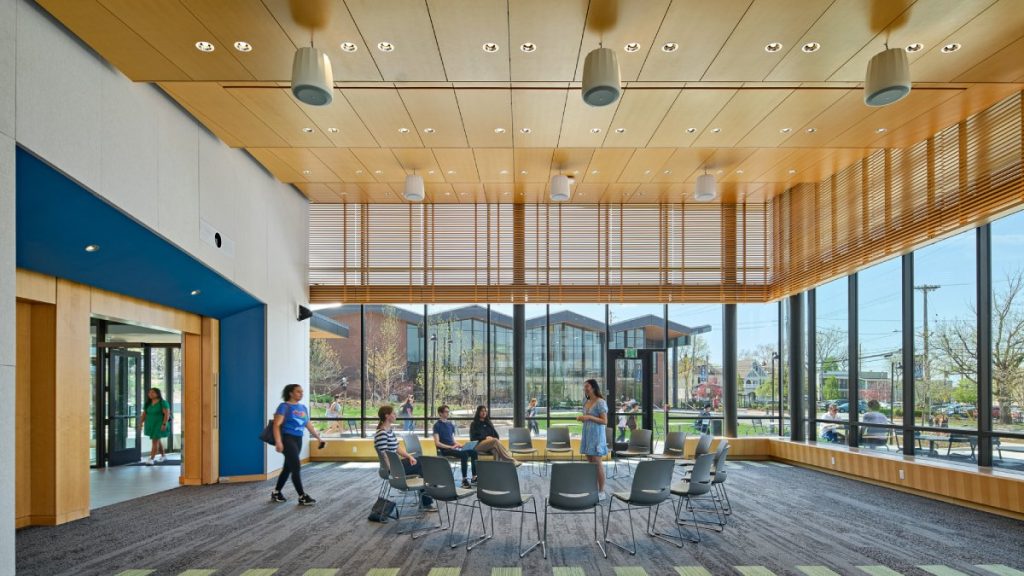
An important point of sale feature to architects and contractors is easier modular wall system installation. Panels arrive with precise installation instructions, often augmented by proprietary hardware to limit mistakes and speed the process. The result is less waste on site, quicker turnaround, and increased adherence to lean construction principles. Custom modular wall panels allow designers to enjoy unique, custom-made results without sacrificing the speed advantages of prefabrication.
Aesthetics Meet Performance
One of the most rewarding features of modular wall aesthetics is the capability to fuse sculptural form, lighting, and surface finishes to create a powerful design statement.
Wall aesthetics used to be strictly flat neutral planes. Now they can be sculpted volumes, internally lit, and finished with high-end materials. Designers can push visual acuity as loud as they want with no loss of performance when they work with panel and systems manufacturers such as ASI Architectural that offer both Fusion decorative panels as well as Audition acoustic collections.
Engineering the Future with Modular Panels
Modular wall panels represent a harmonious blend of aesthetics and functionality in today’s architecture. Their adaptability, efficiency, and cost-effectiveness make them a versatile choice for various design projects. Architects have embraced the design freedom that modular systems provide, from office wall design to more elaborate settings in museums and theaters.
As we continue to innovate, modular panels have proven their worth by offering flexibility in the construction process. They integrate effortlessly with ceiling systems, support acoustical performance, and even offer sustainable material choices. No longer just a trend, modular panels are redefining the future of interior spaces, setting a new standard for modern modular interiors.
Whether you’re an architect, designer, or client, modular systems offer a powerful solution for achieving your design goals and engineering beauty in every project. Contact us to discuss your acoustic design needs.