




How MEP Systems Shape the Acoustic Environment
Most people think about heating, cooling, and lighting when they consider building performance. Sound is often lower on the list until a space feels distracting, fatiguing, or difficult to communicate in. That experience is one reason MEP noise control deserves attention early in the design process. Mechanical, electrical, and plumbing systems influence far more than comfort and functionality, so addressing MEP systems acoustics plays a major role in how occupants experience the acoustic environment.
What is MEP noise control?
MEP noise control is the process of reducing noise and vibration from mechanical, electrical, and plumbing systems inside a building.
These systems are necessary for comfort, safety, and function, but they can also become major contributors of unwanted sound when not coordinated with acoustic design. Background equipment noise, vibration, and sound transmission through building systems can all affect the way a room feels and functions.
| Question | Direct Answer |
| What is MEP noise control? | MEP noise control is the process of reducing noise and vibration from mechanical, electrical, and plumbing systems inside a building. |
| Why does it matter? | It affects speech clarity, concentration, privacy, comfort, and perceived building quality. |
| Which systems create noise? | HVAC units, ductwork, fans, pumps, compressors, plumbing, pipes, diffusers, vents, generators, elevators, and electrical equipment. |
Why MEP systems affect acoustic comfort
A room can feature attractive finishes and still feel uncomfortable if the level of background noise in buildings is too high. Occupants may not immediately recognize the source, but they notice the symptoms quickly – conversations become harder to follow, distractions creep in, and spaces that should feel calm start to feel busy.
Not all unwanted sound behaves the same way. Different types of noise affect occupants in different ways, and understanding these differences helps explain why acoustics and building systems are so closely connected.
- Steady background noise can create a constant hum that reduces concentration.
- Intermittent equipment noise becomes noticeable when systems cycle on and off.
- Airflow noise may produce hissing or turbulence near diffusers.
- Vibration noise can travel through structural elements and appear far from the source.
- Sound transfer through ducts and ceiling plenums can allow noise to reach adjacent spaces.
HVAC systems are among the most common sources of building services noise and have a real impact on overall HVAC acoustics. The American Institute of Steel Construction (AISC) notes that mechanical HVAC equipment should be considered when evaluating room sound isolation and noise control because these systems influence the acoustic conditions occupants experience every day.
Creating acoustic comfort requires more than selecting finishes. It requires an understanding of how building systems and room acoustics interact.
Read More: Why Do Architects and Designers Call the Ceiling The “Fifth Wall”?

Common MEP noise sources in commercial interiors
Mechanical equipment contributes to the acoustic environment in different ways. Some sounds are obvious, while others are subtle enough that occupants simply perceive the room as less comfortable.
| MEP source | Type of noise | Where it shows up | Why it matters |
| HVAC fans | Airborne and vibration noise | Offices, classrooms, lobbies, conference rooms | Can raise background noise and reduce speech clarity |
| Ductwork | Airflow rumble or breakout noise | Above ceilings and near diffusers | Can carry sound across rooms |
| Diffusers and grilles | Hiss, turbulence, or whistling | Ceilings and walls | Can make quiet spaces feel distracting |
| Pumps and compressors | Low-frequency vibration | Mechanical rooms and adjacent spaces | Can travel through structure |
| Plumbing pipes | Flow noise, flushing noise, impact noise | Walls, ceilings, restrooms, hospitality spaces | Can affect privacy and comfort |
| Electrical equipment | Hum or transformer noise | Utility rooms, offices, corridors | Can create constant background sound |
HVAC equipment receives much of the attention, but mechanical system noise can come from many sources. Duct noise, plumbing systems, pumps, compressors, and electrical equipment all contribute to the overall soundscape. In some projects, mechanical room noise becomes a concern because low-frequency vibration travels through the structure and reaches occupied spaces.
Understanding where these sounds originate helps project teams identify potential issues before they become expensive field problems.
How background noise changes the way people experience a room
We can usually feel the effects of unwanted sound before anyone measures it.
In meeting rooms and classrooms, excessive background noise can reduce speech intelligibility, making it harder for listeners to follow presentations or discussions. In open offices, open space acoustics often make concentration more difficult. Healthcare and hospitality environments can feel less comfortable when noise levels remain elevated, while privacy concerns may arise in consultation rooms and conference spaces.
Controlled background sound can support privacy in some settings, but uncontrolled MEP noise is different because it is uneven, intrusive, or louder than intended.
HVAC noise control and acoustic design need to work together
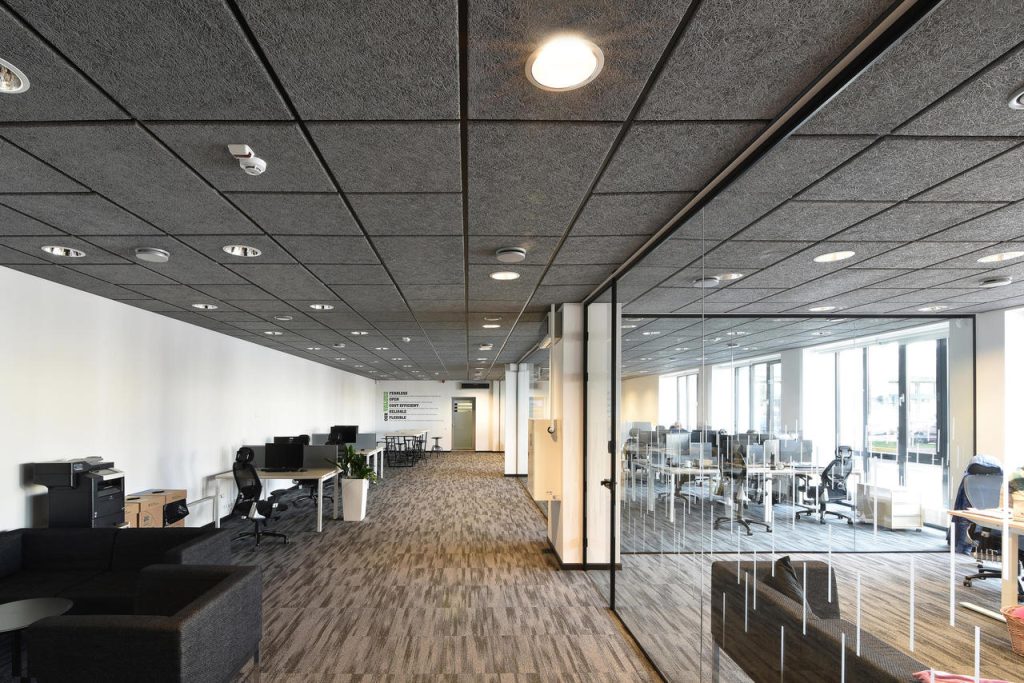
HVAC noise control is often viewed as a mechanical issue, but its effects extend beyond the equipment itself. Room finishes, ceiling layouts, partition locations, and acoustical treatments all influence how sound behaves after it enters a space.
Equipment selection and fan speed affect the amount of noise generated. Duct layout influences how sound travels between rooms. Diffuser placement can create localized noise above work areas, while equipment location affects the spaces most likely to experience unwanted sound. Vibration isolation and ceiling plenum design also influence overall MEP system acoustics.
| Design decision | Acoustic impact | What teams should check |
| Diffuser placement | Can create localized noise above work areas | Coordinate with ceiling layout and room function |
| Fan speed | Higher speeds can increase airflow noise | Review equipment selection and operating conditions |
| Duct routing | Ducts can transmit noise between rooms | Review paths above ceilings and partitions |
| Mechanical room location | Noise can transfer into occupied spaces | Check adjacency and isolation |
| Ceiling treatment | Can help manage room reverberation | Coordinate acoustic products with MEP layout |
Put simply, commercial acoustic design benefits from collaboration between architects, acousticians, and mechanical engineers. A system that performs well on paper may still create problems if those disciplines are working independently.
The role of ceilings in MEP noise control
Ceilings often sit between overhead systems and occupied spaces, which gives them a major influence on room acoustics. Acoustic ceiling systems cannot compensate for excessive equipment noise or poor duct layouts, but they can contribute to better ceiling acoustics through sound absorption and reverberation control.
Wood and metal ceiling treatments, acoustic backers, and other architectural elements can help shape the acoustic environment when they are coordinated with the MEP layout. Open ceilings and exposed mechanical systems introduce additional challenges because they reduce the amount of absorption present in the space.
MEP noise control by project type
Different spaces place different demands on the acoustic environment.
| Project type | Main MEP noise concern | Acoustic priority |
| Open offices | HVAC background noise and exposed ceilings | Focus, comfort, and speech privacy |
| Conference rooms | Diffuser noise and sound transfer through ducts | Speech clarity and privacy |
| Schools | HVAC noise in classrooms | Learning, attention, and intelligibility |
| Healthcare spaces | Mechanical noise near treatment or recovery areas | Calm, privacy, and patient comfort |
| Hospitality spaces | Plumbing and HVAC noise near guest areas | Rest, comfort, and perceived quality |
| Auditoriums | Mechanical noise during presentations | Low background noise and clear sound |
 Coordination mistakes that make MEP noise worse
Many acoustic issues develop because of coordination gaps rather than a single design decision. Here’s what usually goes wrong:
- Equipment is located too close to quiet rooms
- Diffuser locations changes after ceiling layouts are finalized
- Duct paths cross sound-sensitive spaces
- Access panels interrupt acoustic backers
- Reduced ceiling coverage to accommodate MEP elements
- Untreated exposed mechanical systems
These issues are typically easier to prevent than to correct after occupancy.
MEP noise control checklist for design and construction teams
Good noise control in buildings begins with early coordination.
| Checkpoint | Why it matters |
| Identify noise-sensitive rooms early | Prevents expensive late changes |
| Review HVAC equipment noise data | Helps match equipment to room needs |
| Coordinate diffuser locations with ceiling design | Reduces conflicts with acoustic treatments |
| Review duct paths above partitions | Limits sound transfer between rooms |
| Confirm vibration isolation where needed | Reduces structure-borne noise |
| Protect acoustic backers and ceiling coverage | Maintains room absorption |
| Coordinate access panels before fabrication | Avoids field cuts and missing treatment areas |
| Review final field conditions before closeout | Confirms the built space matches design intent |
How acoustic treatments support better MEP outcomes
Solid mechanical design addresses the source of noise. Acoustic treatment influences how the remaining sound behaves inside the room.
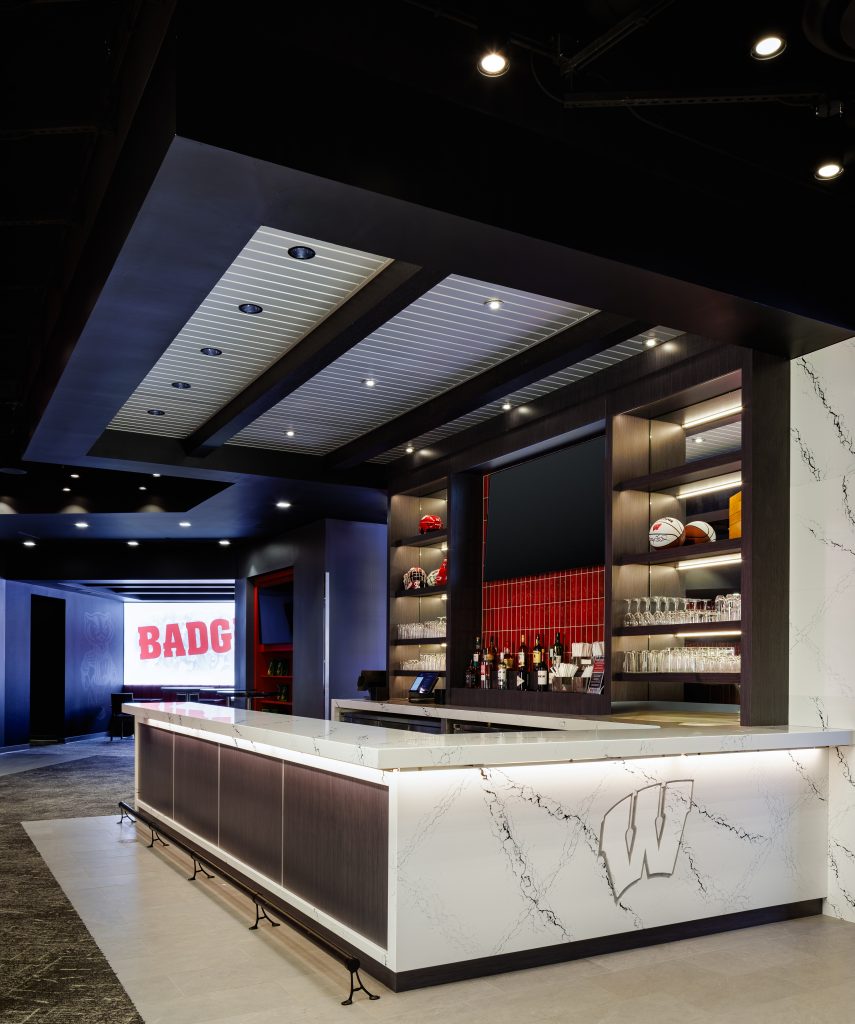
By reducing reflected sound and supporting speech intelligibility, architectural treatments can improve comfort and make spaces feel less harsh. They complement mechanical engineering rather than replace it.
Coordinated Design Produces Better Acoustic Results
MEP systems shape the sounds occupants hear every day, which is why acoustics require coordination among architects, mechanical engineers, acousticians, and contractors. Effective MEP noise control combines thoughtful system design with coordinated acoustic solutions to support communication, concentration, and occupant comfort.
FAQs
What is MEP noise control?
MEP noise control is the process of reducing noise and vibration from mechanical, electrical, and plumbing systems inside a building.
How do HVAC systems affect room acoustics?
HVAC systems generate airflow noise, equipment noise, and vibration that influence background sound levels and speech clarity.
What causes mechanical noise in buildings?
Mechanical noise can originate from fans, pumps, compressors, ductwork, plumbing systems, diffusers, and electrical equipment.
Can acoustic ceilings reduce MEP noise?
Acoustic ceilings cannot replace good mechanical design, but they can provide sound absorption and improve reverberation control.
What is the difference between background noise and reverberation?
Background noise refers to the sound present in a room, while reverberation describes how long sound reflections persist.
When should MEP noise control be planned?
MEP noise control should be addressed early in the design process.
Who is responsible for coordinating MEP noise and acoustic design?
Architects, mechanical engineers, acoustical consultants, and construction teams all contribute to the outcome.