



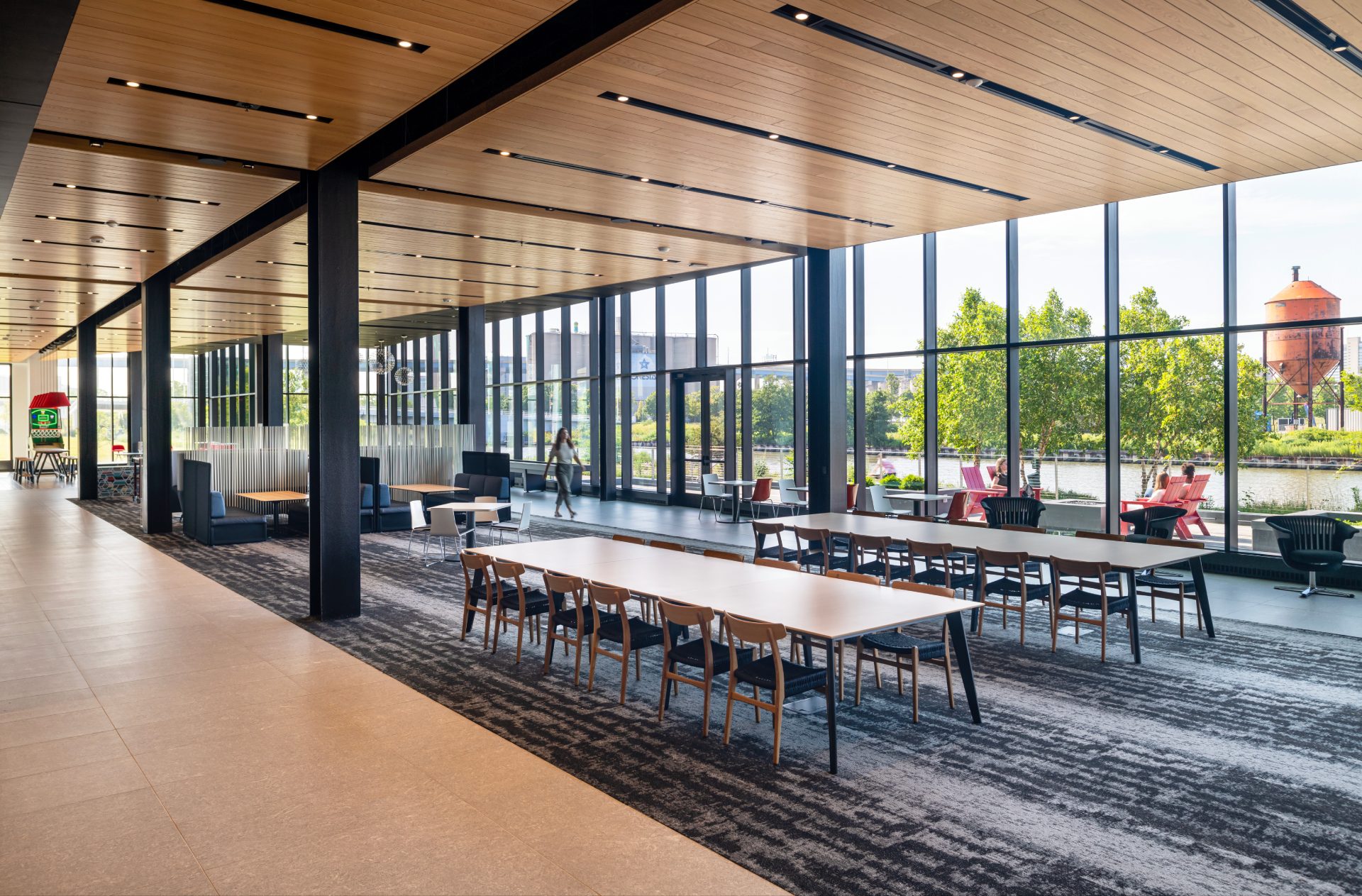
Large room acoustics get complicated when a single environment is expected to support presentations, collaboration, exercise, dining, and events within the same footprint. A room may need quiet conversation in the morning and amplified sound later in the day, which is why multi use space acoustics rarely succeed with a single absorptive product or a generic specification.
The most effective acoustic design for large spaces treats the room as a coordinated system instead of a single material decision. Ceiling treatments, wall systems, acoustic zoning, and finish selections all need to support how people actually use the space. In flexible commercial interiors, better performance usually comes from layering treatments and tuning different zones independently. That combination improves comfort, clarity, and long-term usability without making the architecture feel over-treated.
Why multi-use spaces are one of the hardest acoustic challenges in design
Flexible interiors create competing acoustic demands. Gym acoustics depend on controlling impact noise and reverberation, while office acoustics focus more heavily on speech comfort. Auditorium acoustics require controlled reflection behavior and strong speech intelligibility in large rooms. When all of those expectations exist within one footprint, “average” performance is rarely enough.
Open layouts also allow reflections to travel farther before losing energy. Hard flooring, exposed structure, glass, and tall ceilings all contribute to large room reverberation that builds quickly once occupancy increases. In many projects, the problem is not loudness alone. It is the accumulation of overlapping reflections that reduce clarity and create listening fatigue.
This becomes especially noticeable in open plan acoustic design. Designers often avoid partitions to preserve flexibility, but that openness can create serious open space acoustics problems if absorptive surfaces are not distributed strategically. Commercial large room acoustics work best when designers plan for multiple uses instead of assuming one acoustic target will support every activity.
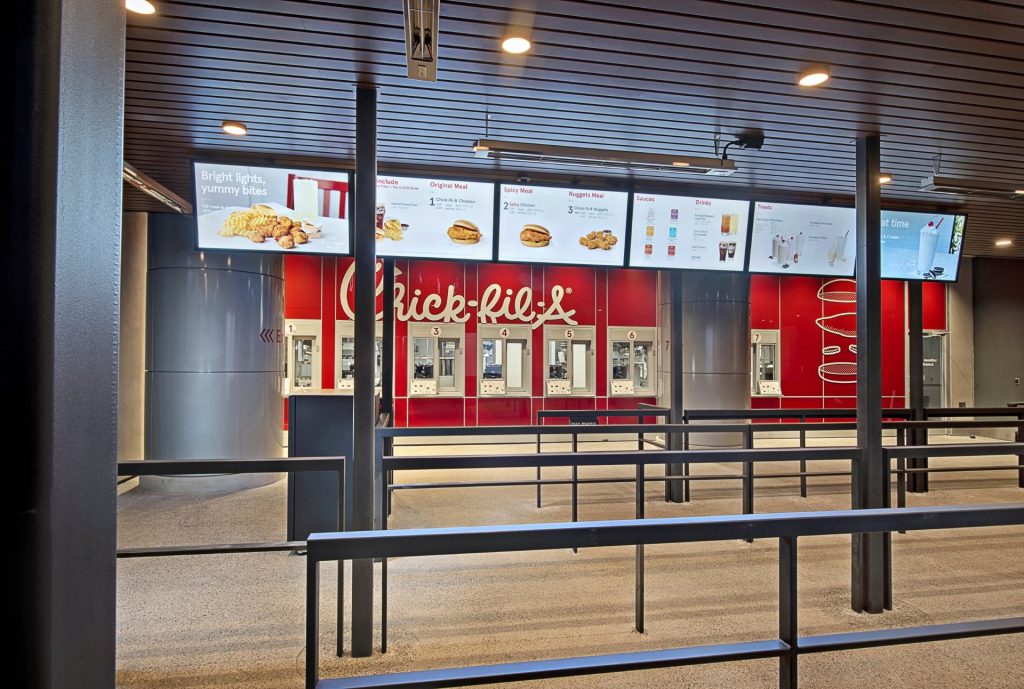
What makes large room acoustics break down so quickly
Most failures come from the same conditions. Reverberation buildup is usually the first issue. As sound reflects repeatedly off hard surfaces, conversations become harder to understand and background noise levels rise. Even moderate activity can create fatigue when there is poor reverberation control in large rooms.
Several physical conditions compound the problem:
- Parallel hard surfaces reinforce reflections
- Exposed deck ceilings reduce absorption opportunities
- High ceilings increase reflection paths
- Open circulation routes allow sound transfer between zones
- Hard flooring and glass intensify reflected sound energy
Acoustic treatment for high ceilings becomes particularly important because untreated vertical volume allows sound to remain active longer. Echo control for large rooms usually depends on both the amount of absorption and strategic placement. Poor speech intelligibility in large rooms often appears before occupants can explain why the room feels uncomfortable.
Zoning sound control instead of treating the whole room the same way
One of the most effective forms of sound control in large spaces is acoustic zoning. Instead of designing the entire room around one performance target, zoning sound control allows different areas to support different activities.
Presentation zones may require stronger absorption for clarity. Collaboration areas may need moderate absorption that supports conversation without making the room feel acoustically flat. Transitional areas often benefit from softer acoustic boundaries that reduce sound transfer between loud and quiet functions. This is one of the core principles behind effective acoustics for flexible spaces.
Acoustic zoning can happen horizontally or vertically. Ceiling acoustic treatments may define one activity area overhead, while wall acoustic treatments reinforce performance along circulation paths or seating clusters. In many projects, ceiling acoustic systems manage broad reverberation while acoustic wall systems target localized reflections.
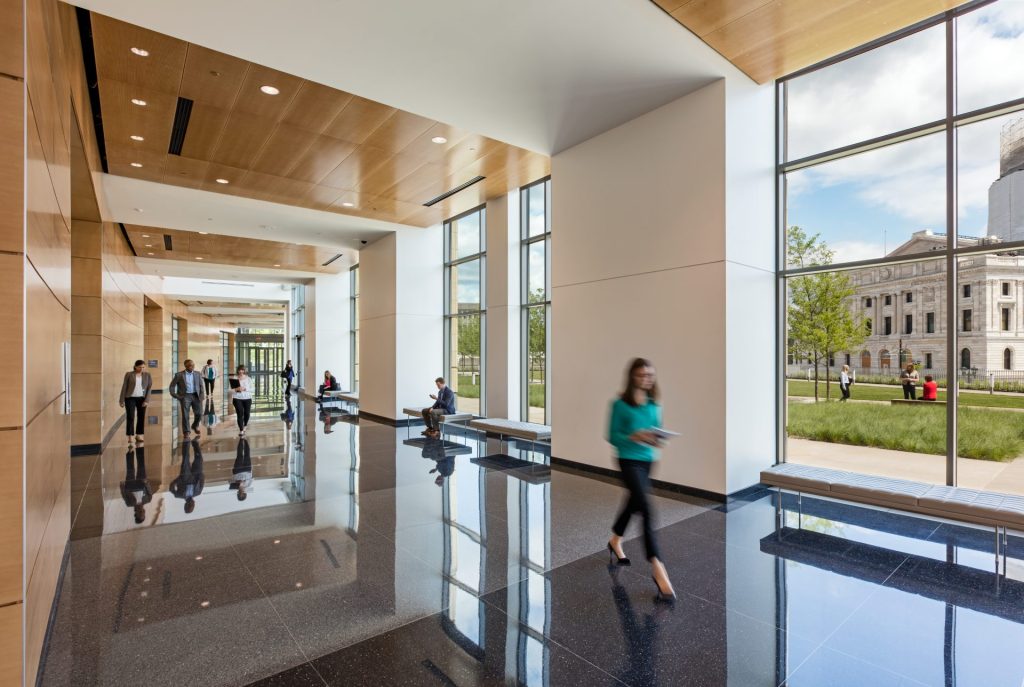
Matching acoustic priorities to the actual use of the space
Different multi-use environments have different acoustic priorities, which is why acoustic planning for gyms and auditoriums rarely follows the same specification path.
In gyms and recreation areas, controlling overall reverberation is often more important than achieving perfect clarity. Durable ceiling clouds for acoustics, suspended absorbers, and impact-resistant wall systems help reduce excessive buildup while maintaining openness.
Office acoustics create a different challenge. Open collaboration spaces need enough absorption to reduce distraction without making conversations feel unnaturally muted. Shared space sound control becomes especially important near circulation paths, lounges, and meeting zones.
Auditorium acoustics depend more heavily on clarity and controlled reflection behavior. Over-absorption can reduce energy, while insufficient absorption creates echo and reduced intelligibility. In these environments, acoustic solutions for large rooms usually balance absorptive and diffusive surfaces instead of relying on one treatment type.
Layered treatments work better than single-surface fixes
Many acoustic failures happen because projects rely too heavily on one surface type. Ceiling-only strategies can reduce overall reverberation but leave strong lateral reflections untreated. Wall-only strategies may improve localized comfort while allowing overhead reflections to remain active.
Layered acoustic treatments create a more balanced response because they distribute absorption throughout the room. This is one of the strongest answers to how to improve acoustics in a large room without overwhelming the architecture visually.
In most flexible interiors, layered systems combine:
- Ceiling-mounted absorption for broad reverberation control
- Vertical wall absorption for first-reflection control
- Localized treatments near active zones
- Diffusive surfaces that scatter reflections
- Acoustic backers that improve overall performance
This approach is especially effective for noise control in open environments because it addresses multiple reflection paths at once. In auditoriums and presentation-heavy spaces, diffusive surfaces can also help preserve sound energy and natural distribution while absorptive treatments control excessive reverberation. Architectural acoustics for flexible environments work best when acoustic systems feel integrated into the design language instead of added as an afterthought.
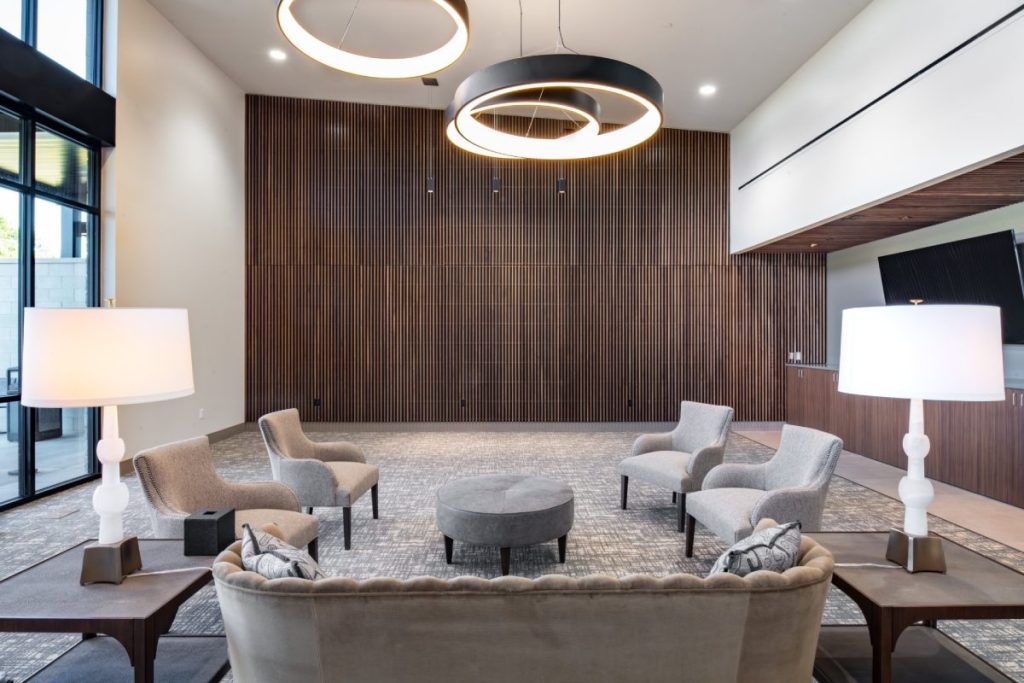
Best ceiling systems for large, flexible spaces
Ceilings provide the largest uninterrupted surface for acoustic control, which makes them essential for managing large room reverberation. The right ceiling strategy depends on ceiling height, exposed structure, lighting coordination, and how flexible the space needs to remain.
Suspended clouds for targeted control
Ceiling clouds for acoustics work well in open environments because they add absorption without concealing exposed structure, lighting, or ductwork. They are especially effective in gyms, commons areas, and collaborative office spaces where overhead reflections build quickly.
Perforated and microperforated ceiling systems
Perforated wood acoustic panels combine acoustic performance with a warmer architectural appearance, particularly when paired with acoustic backers. Microperforated ceiling panels offer a subtler visual option when designers want cleaner, more monolithic ceiling planes.
Matching ceilings to the space
Wood fiber acoustic panels and other acoustic ceiling systems are often selected based on durability, maintenance access, and ceiling height. In many projects, ceilings work best as part of a layered acoustic strategy instead of acting as the only absorptive surface. Selecting the best acoustic materials for large spaces depends on balancing absorption, durability, maintenance access, and visual integration.
Read More: Why Do Architects and Designers Call the Ceiling The “Fifth Wall”?
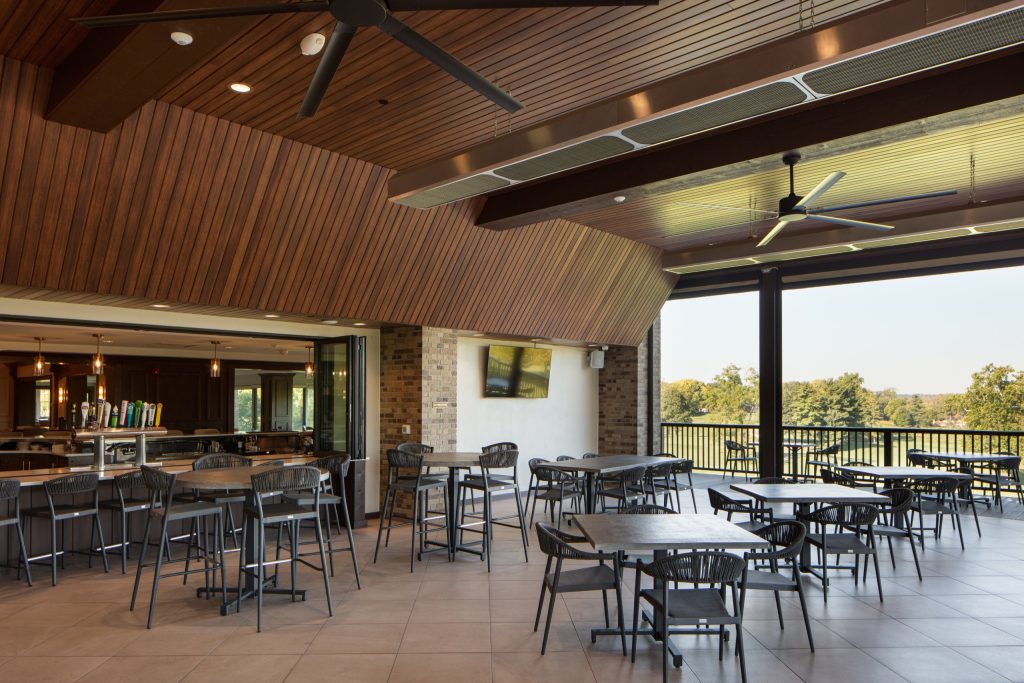
Best wall systems for balancing sound and design intent
Wall acoustic treatments become increasingly important in large, flexible spaces because ceilings alone rarely control all reflection paths. Strategic wall absorption improves speech intelligibility in large rooms while helping reduce sound buildup across open areas.
Perforated wood and wood fiber wall systems
Perforated wood acoustic panels help maintain architectural continuity while improving sound control in large spaces. Wood fiber acoustic panels are commonly used in gyms and high-activity areas where durability and broad absorption are both priorities.
Strategic placement over uniform coverage
Acoustic wall systems are most effective when placed in first-reflection zones, presentation areas, and high-activity spaces instead of covering every wall evenly. This targeted approach supports acoustic zoning and shared space sound control without making the architecture feel acoustically heavy-handed.
How to design around lighting, HVAC, sprinklers, and access points
Acoustic intent often weakens during late-stage coordination when other building systems begin competing for ceiling and wall space. Early interdisciplinary planning is essential for acoustic solutions for large rooms.
Lighting layouts should be coordinated with ceiling systems so fixtures do not interrupt treatment coverage excessively. HVAC diffusers also influence performance because poorly coordinated airflow systems can create noise while reducing usable absorptive surface area.
Fire suppression requirements, accessibility, and maintenance access all affect specification decisions. The strongest projects treat acoustics as part of the architectural coordination process instead of an isolated specialty layer.
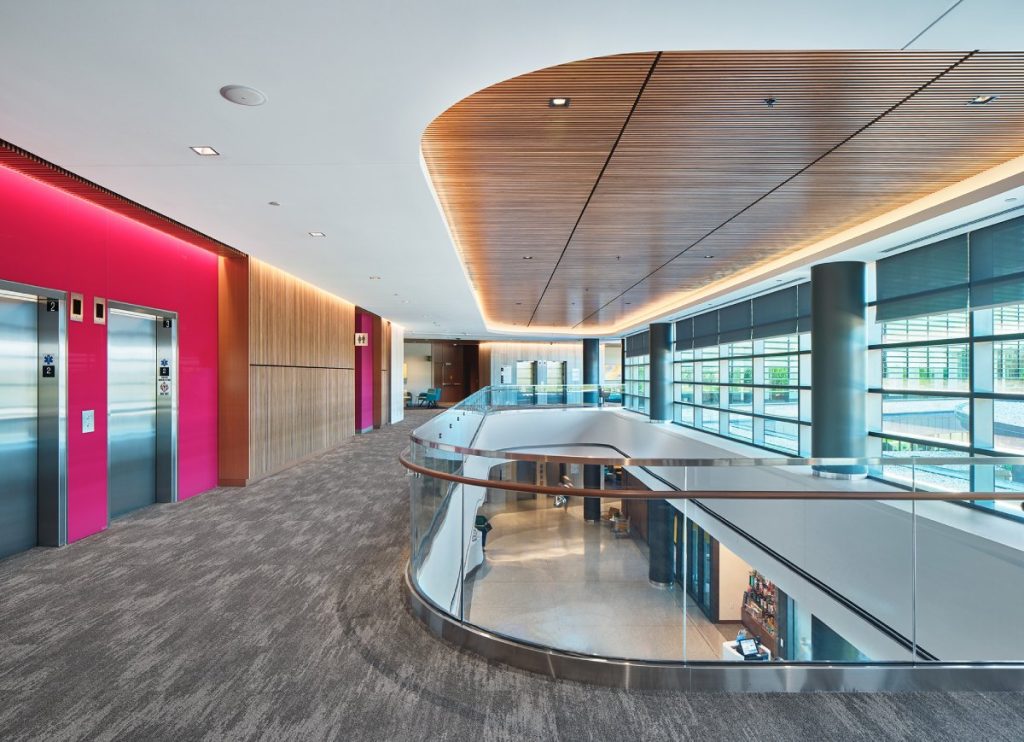
A practical matrix for gyms, offices, and auditoriums
While every project requires its own strategy, some priorities consistently shift depending on the type of space being designed. Different acoustic treatments for multi-purpose rooms perform better depending on the function of the space and the type of activity taking place.
| Space Type | Main Acoustic Issue | Best Ceiling Approach | Best Wall Approach | Design Watch-Out |
| Gym | Excessive reverberation and impact noise | Suspended absorbers and ceiling clouds | Durable upper-wall absorption | High ceilings and hard flooring |
| Open Office | Speech distraction and overlapping conversations | Integrated acoustic ceiling systems | Targeted collaboration-zone panels | Exposed MEP coordination |
| Auditorium | Clarity and controlled reverberation | Tuned ceiling absorption and diffusion | Reflective and absorptive balance | Over-absorbing the room |
Final take: the best multi-use acoustic strategy is tuned, not uniform
The most effective large room acoustics strategies are rarely based on one product or a uniform specification. Multi-use environments perform better when designers treat acoustics as a coordinated system shaped around occupancy patterns, room behavior, and activity zones.
Acoustic zoning allows different parts of a flexible environment to support different functions without sacrificing openness. Layered acoustic treatments improve performance more consistently than one-product thinking, especially in spaces with exposed structure or changing occupancy patterns.
For architects, designers, and specifiers, the goal is not simply reducing noise. It is creating spaces that remain adaptable, intelligible, and comfortable throughout different modes of use. Ceiling and wall systems should be coordinated from the beginning so good acoustics support flexibility instead of limiting it. Targeted placement and integrated finishes allow designers to improve acoustic performance while preserving the architectural character of the space. This is what separates successful large room acoustics from spaces that only appear acoustically finished.
FAQs
What are the biggest challenges in large room acoustics?
High ceilings, reflective finishes, and overlapping activities all contribute to excessive reverberation and reduced clarity.
How do you improve acoustics in a multi-use space?
Most projects improve performance through layered ceiling and wall systems, acoustic zoning, and targeted reverberation control.
What is acoustic zoning?
Acoustic zoning is the process of designing different areas of a room to support different sound behaviors based on activity needs.
Are ceiling systems or wall systems better for large rooms?
Both matter. Ceiling systems manage broad reverberation, while wall systems improve localized reflection control and comfort.
How do you reduce reverberation in a gym?
Durable overhead absorption and distributed wall treatments help control reflections in athletic spaces.
What acoustic treatments work best in open offices?
Integrated ceiling absorption, localized wall panels, and collaboration-zone treatments usually provide the best balance between openness and speech comfort.
Why do auditoriums need different acoustic strategies than gyms?
Auditoriums prioritize clarity and controlled reflections for speech and amplified sound, while gyms focus more heavily on broad reverberation reduction.
Can acoustic treatments be integrated with lighting and HVAC?
Yes. Early coordination helps acoustic systems work alongside lighting fixtures, diffusers, sprinklers, and maintenance access.
Do high ceilings make acoustics worse?
They can. Larger vertical volume allows reflections to remain active longer unless overhead absorption is added strategically.
Why is layered acoustic treatment better than a single solution?
Layered systems address multiple reflection paths simultaneously, creating more balanced performance across flexible environments.