



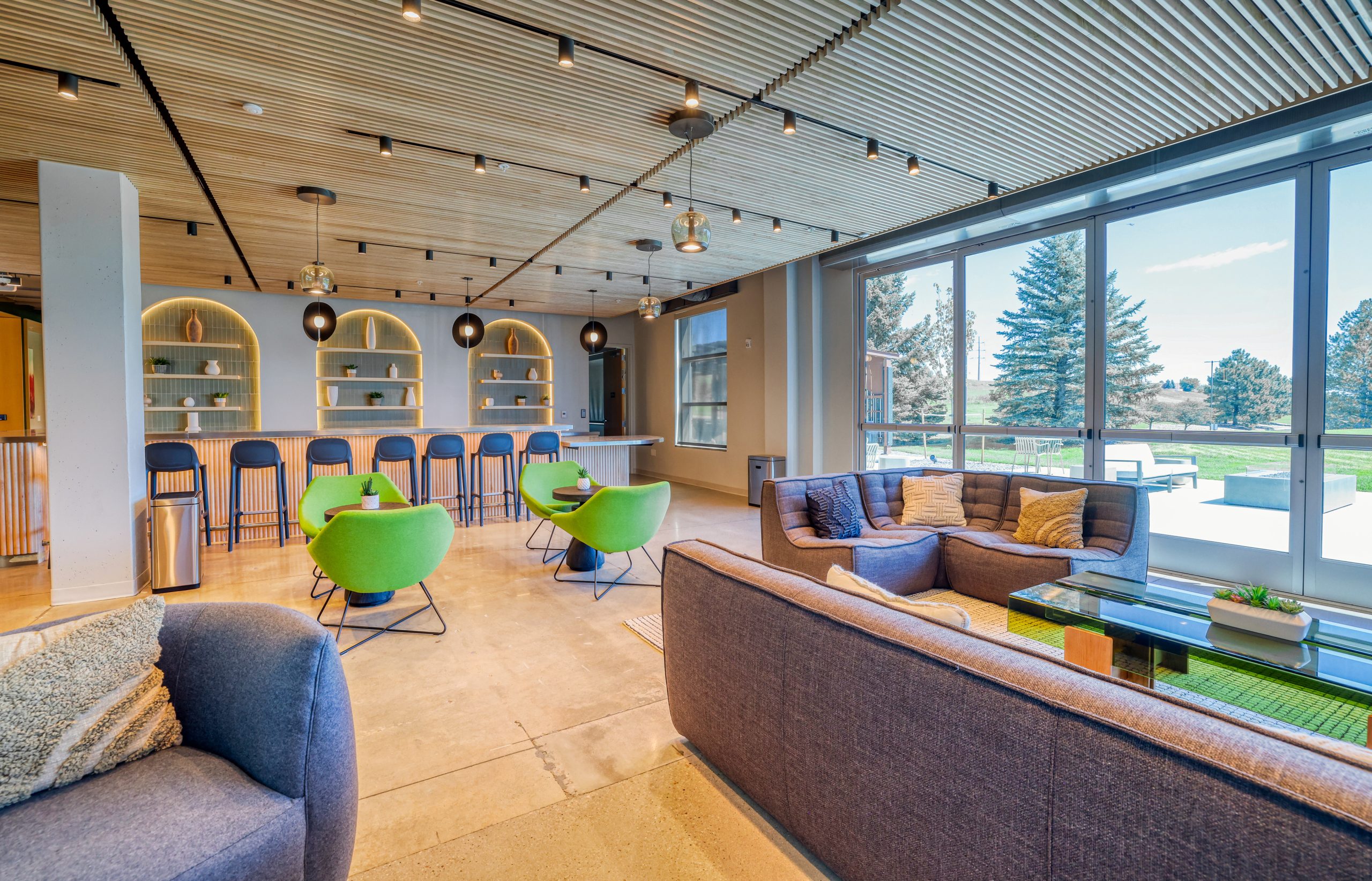
Soundscape Design for Well-Being: Using Acoustic Treatments to Support Focus, Calm & Health
Walk into a newly finished space and everything may look right – clean lines, thoughtful materials, strong lighting design. But if it feels tense, distracting, or oddly exhausting to occupy, the issue is often invisible. This is where soundscape design comes in.
In simple terms, soundscape design is the intentional shaping of how a space sounds and how people experience it. It’s not just about reducing decibels. It’s about aligning the acoustic environment with human needs – supporting focus, calm, privacy, and health.
They make that distinction clear:
- The acoustic environment is what is physically happening – sound waves reflecting, absorbing, or transmitting through materials.
- The soundscape is how people perceive those conditions in context – whether a space feels calm, chaotic, private, or distracting.
That difference matters. You can meet technical targets and still deliver a poor experience if perception isn’t considered. Effective soundscaping bridges that gap.
Why well-being is now part of the acoustic conversation
The conversation around architectural acoustics for wellbeing has shifted quickly over the past decade. Owners and designers are no longer treating acoustics as a late-stage fix. They are seeing it as a driver of performance and occupant health.
- Persistent noise contributes to focus fatigue, especially in open environments.
- Poor speech privacy creates stress and limits how people use a space.
- Disruptive environments reduce workplace noise and productivity outcomes.
- And importantly, noise doesn’t stop at the building edge – stress from poor environments often follows people home, affecting recovery and sleep.
What people actually complain about
Reverberation and echo
This is the “room ring” effect – sound lingering and overlapping. It is especially common in large, hard-surfaced spaces and is a primary driver of discomfort.
Speech that travels too far
In many environments, especially with open space acoustics, conversations carry well beyond their intended range.
Constant background noise
Mechanical systems, exterior traffic, or equipment create a steady layer of sound.
Sudden, sharp sounds
Doors closing, carts rolling, chairs scraping – these spike attention and interrupt cognitive flow.
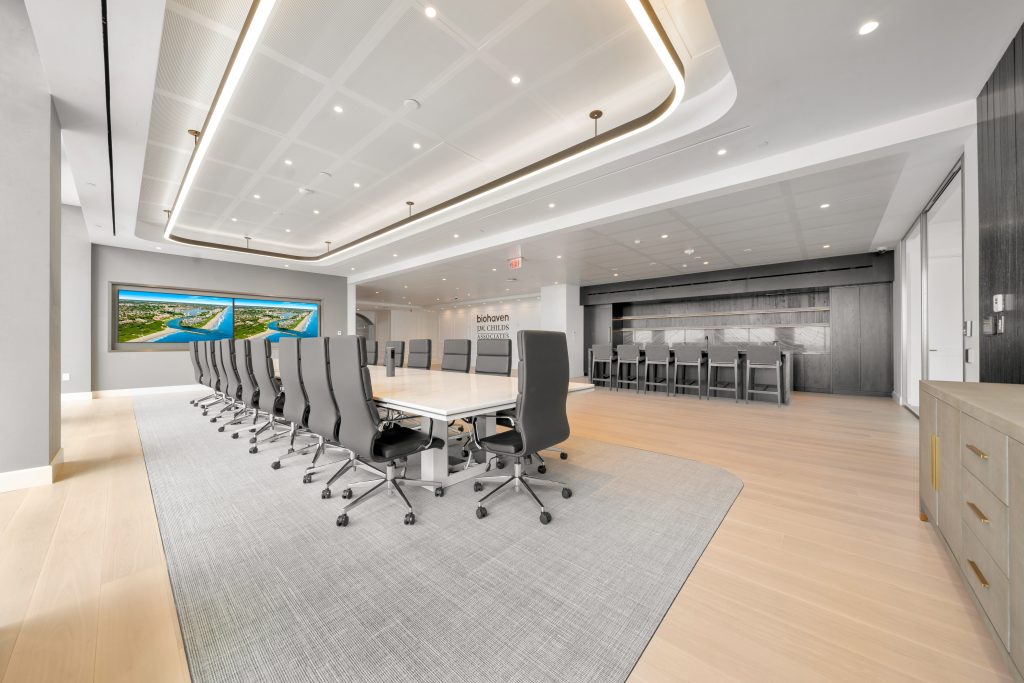
Core acoustics metrics – what actually matters (and why)
Noise Reduction Coefficient (NRC)
This is about absorption – how much sound a material “soaks up” instead of reflecting back into the room.
Sound Transmission Class (STC)
This one is about separation – how well sound is kept from traveling between rooms.
Reverberation Time (RT60)
This one tells you how long sound lingers after it’s made.
Noise Criterion (NC)
This is your background noise target, typically driven by mechanical systems.
A practical soundscape design playbook
Start with behavior, not materials
This is the foundation of inclusive acoustic architecture.
Zone the space by sound needs
Rather than trying to make every area perform the same, use acoustic zoning.
Fix the room first: block, absorb, cover
A reliable sequence for acoustic treatments is:
- Block unwanted sound
- Absorb sound within the space
- Cover remaining noise where appropriate
Choose treatments that match performance and design intent
Ceiling treatments
Direct-mounted acoustic ceiling panels are often the most practical solution.
Wall treatments
wood acoustic panels, wood fiber acoustic panels, and fabric-wrapped absorbers provide flexibility.
Hybrid needs
This is where perforated wood acoustic panels become effective tools.
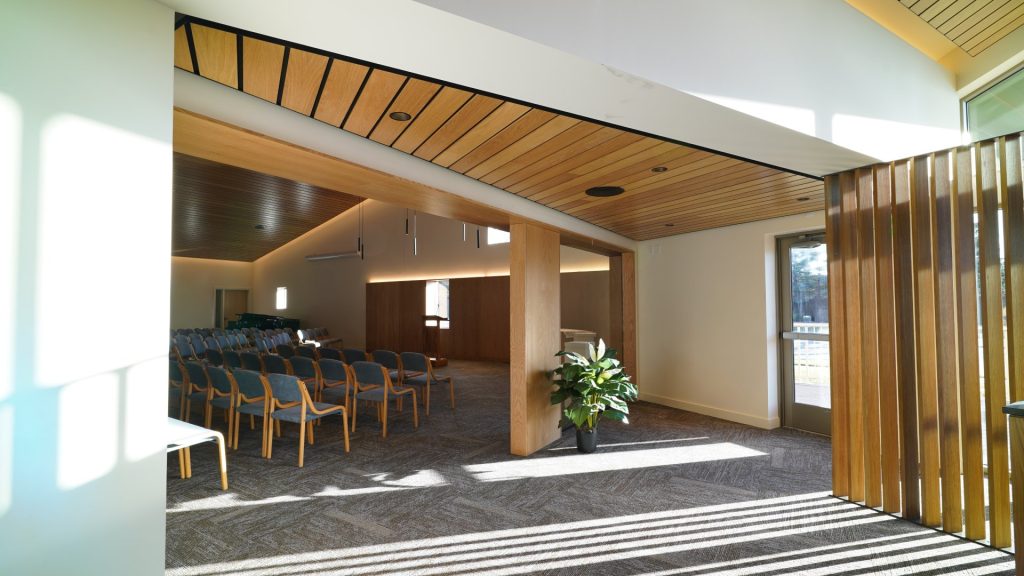
Validate and maintain performance
Even well-designed systems need follow-through.
Bringing it back to real-world applications
In practice, soundscaping is about aligning acoustic decisions with how people use space. At ASI Architechural, this approach centers on supporting concentration, tranquility, and connection through thoughtful material selection and layout.
Wood acoustical panels and wood fiber ceiling panels are good examples of how this plays out.
Writing specs that survive the field
- Clearly define performance targets
- Coordinate with mechanical and lighting systems early
- Avoid vague language
Why this matters more than ever
As expectations for noise reduction in buildings continue to rise, acoustics are becoming a defining element of building performance.
- Supporting speech intelligibility
- Protecting speech privacy
- Creating environments that feel calm
sound as a performance layer, not a finishing touch
At its best, soundscape design is not an afterthought. It is a core part of how a space functions and feels.
FAQ
What is soundscape design in architecture?
Soundscape design is the intentional shaping of both the acoustic environment and how occupants perceive it, aligning sound conditions with the purpose of a space.
What is the difference between acoustic design and soundscape design?
Acoustic design focuses on physical sound control. Soundscape design includes perception, context, and user experience.
Do acoustic panels actually help people focus?
Yes. By improving acoustic comfort and reducing distractions, panels support concentration and reduce fatigue.
How do I know if a room needs absorption or sound blocking?
If sound is echoing or unclear, you likely need absorption. If sound is traveling between rooms, blocking is the priority.
What NRC should I look for in a ceiling or wall treatment?
It depends on the space, but higher NRC values (0.7–1.00) are commonly used where strong absorption is needed.
What is RT60, and what is a reasonable target?
RT60 measures how long sound lingers. Offices and classrooms often target around 0.6–0.8 seconds.
Is sound masking worth it, and when does it backfire?
It can help manage speech distraction, but it backfires if used instead of proper absorption or blocking.
Can wood finishes still deliver strong acoustic performance?
Yes. Perforated and engineered wood systems can combine aesthetics with high NRC performance.
How do you design for acoustic comfort in open plan offices?
Using zoning, absorption, and selective masking to balance collaboration and focus.
What is the most common reason acoustic intent fails on site?
Lack of coordination and unclear specifications – details matter as much as soundscape design intent.